
Postcard from Asia: Celebrations Beyond the Usual Itinerary – Vol. I

Dear guests and friends of Secret Retreats,
There are celebrations that fill postcards and travel brochures, and then there are those that quietly shape the rhythm of a place. They may not appear on every traveller’s itinerary, yet they are the traditions that bring neighbourhoods together, preserve centuries-old customs, and offer a glimpse into the heart of a destination.
Across Asia, celebrations are far more than colourful spectacles. They mark changing seasons, honour harvests, pay tribute to ancestors, welcome the rains, and strengthen the bonds between communities. For those willing to venture beyond the familiar, they offer some of the continent’s most memorable travel experiences.
This is the first of a two-part Postcard from Asia series, celebrating the region’s rich cultural tapestry through traditions that continue to shape everyday life. In this first volume, we journey from the mountain monasteries of Ladakh and the highlands of Nagaland to the villages of Southeast Asia, where living heritage is passed from one generation to the next through ceremonies, music, dance, and shared celebration.
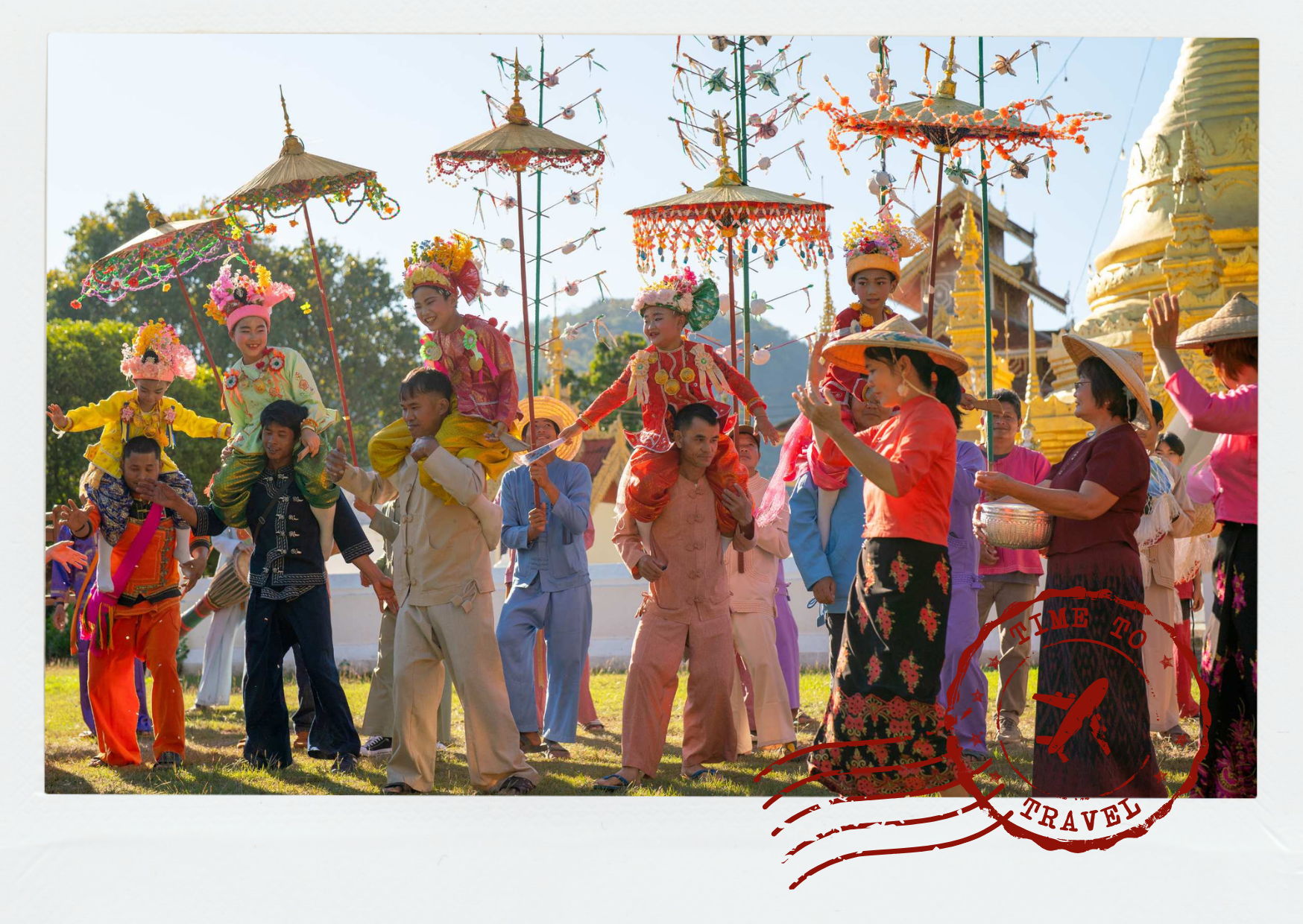
Thailand – Poy Sang Long Festival
📅 Usually held between March and April
Among the Shan communities of Northern Thailand, the Poy Sang Long Festival is a joyful celebration of faith and tradition. Young boys preparing to enter the monastery are dressed as princes in richly embroidered robes, adorned with flowers, jewels, and colourful headdresses inspired by the life of Prince Siddhartha before his journey to enlightenment. Carried on the shoulders of family members through lively processions accompanied by music and dance, the festival is as much a celebration of community as it is of spiritual devotion.
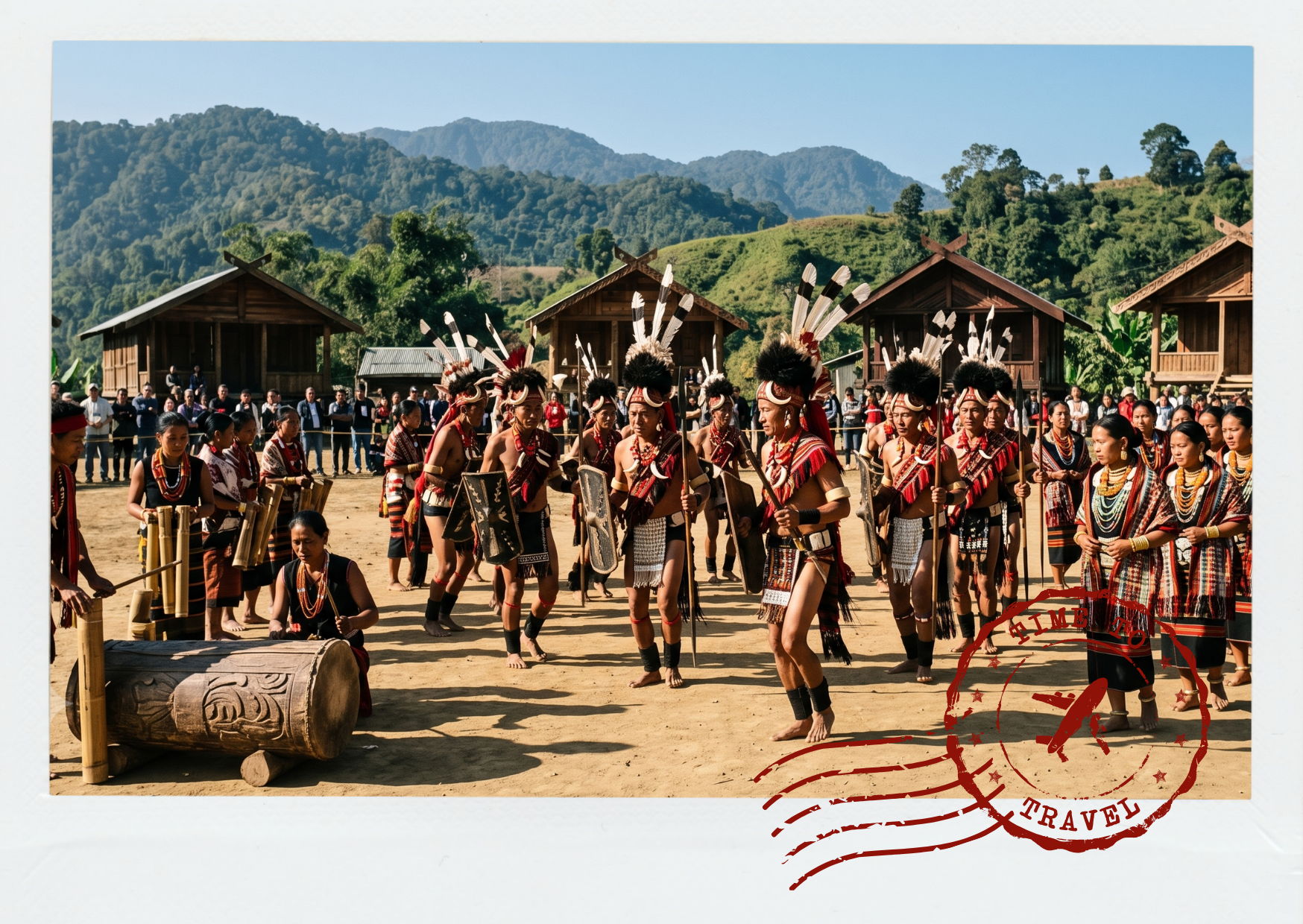
India – Hornbill Festival
📅 1–10 December
Held each December in Nagaland, the Hornbill Festival brings together the traditions of the state’s many Indigenous Naga tribes in a vibrant celebration of culture and identity. Across ten days, villages come alive with warrior dances, ceremonial music, traditional sports, storytelling, handwoven textiles, and regional cuisine. Named after the revered hornbill bird, the festival offers a rare opportunity to experience the remarkable diversity of Nagaland in one place, while celebrating customs that have been carefully preserved and proudly passed from one generation to the next.
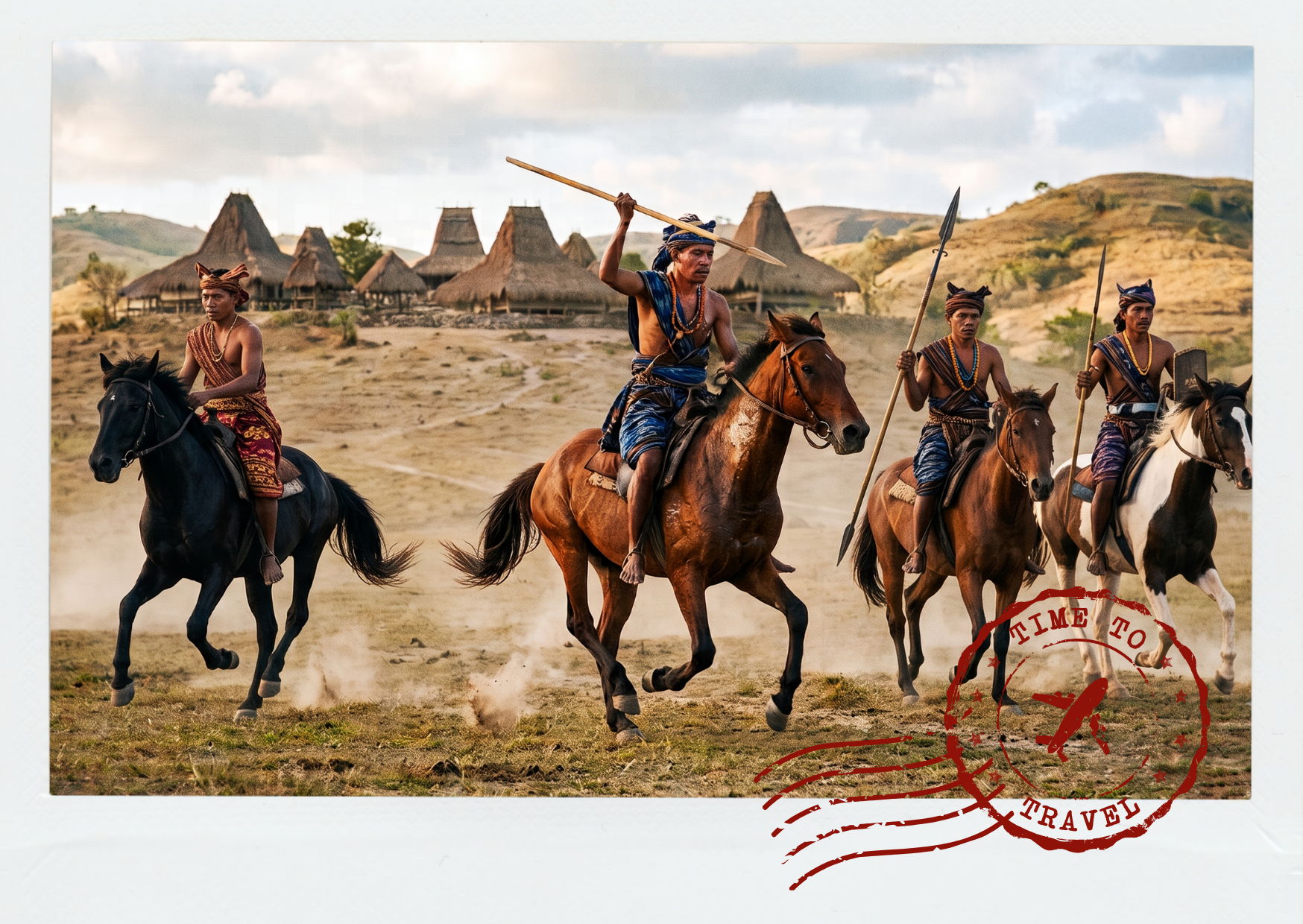
Indonesia – Pasola
📅 February–March (dates vary according to traditional lunar calculations)
On the island of Sumba, Pasola is unlike any other celebration in Asia. Horsemen dressed in traditional attire charge across open fields, hurling wooden spears in a ceremonial contest rooted in ancestral beliefs and the agricultural calendar. While dramatic to witness, the ritual is deeply symbolic, expressing gratitude for the harvest and reaffirming the enduring connection between people, land, and tradition.
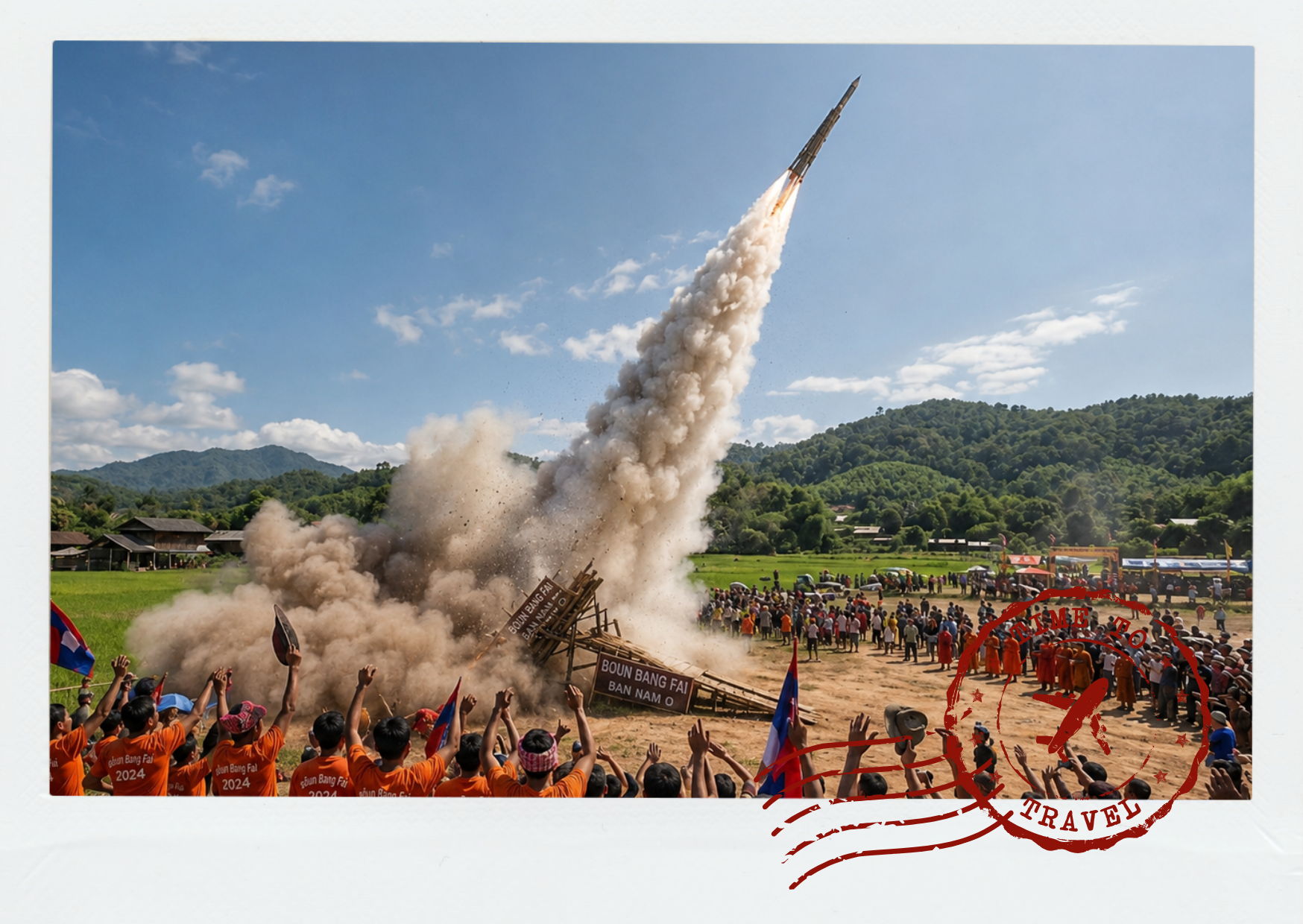
Laos – Boun Bang Fai
📅 Usually held in May, before the rainy season
Before the arrival of the rainy season, villages across Laos celebrate with one of Southeast Asia’s most unusual festivals. Towering homemade rockets are carried through lively processions before being launched skyward in the hope of encouraging generous rainfall for the coming rice harvest. Music, dancing, and good-natured competition create an atmosphere that is equal parts celebration and community gathering.
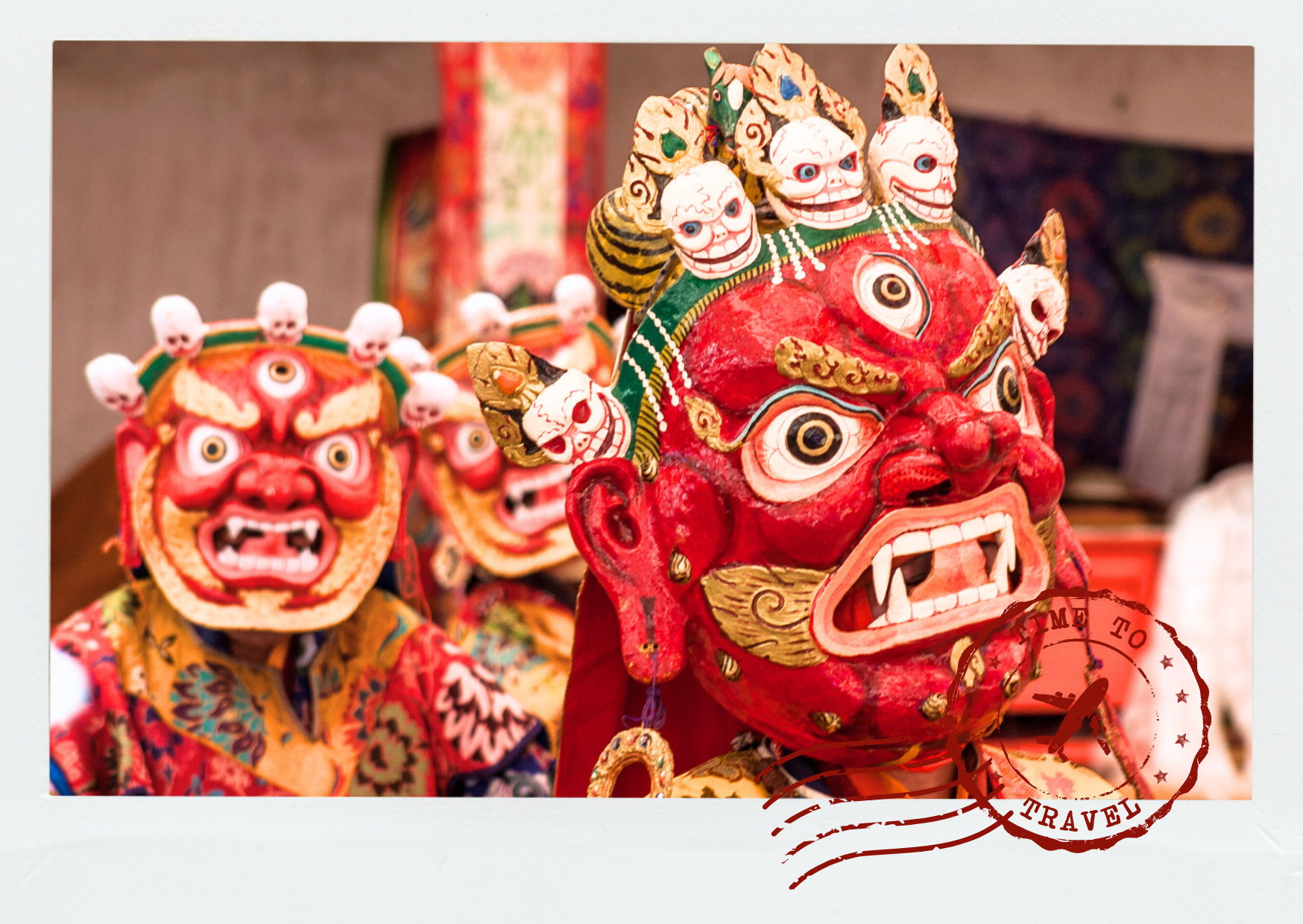
India – Hemis Festival
📅 June or July (dates follow the Tibetan lunar calendar)
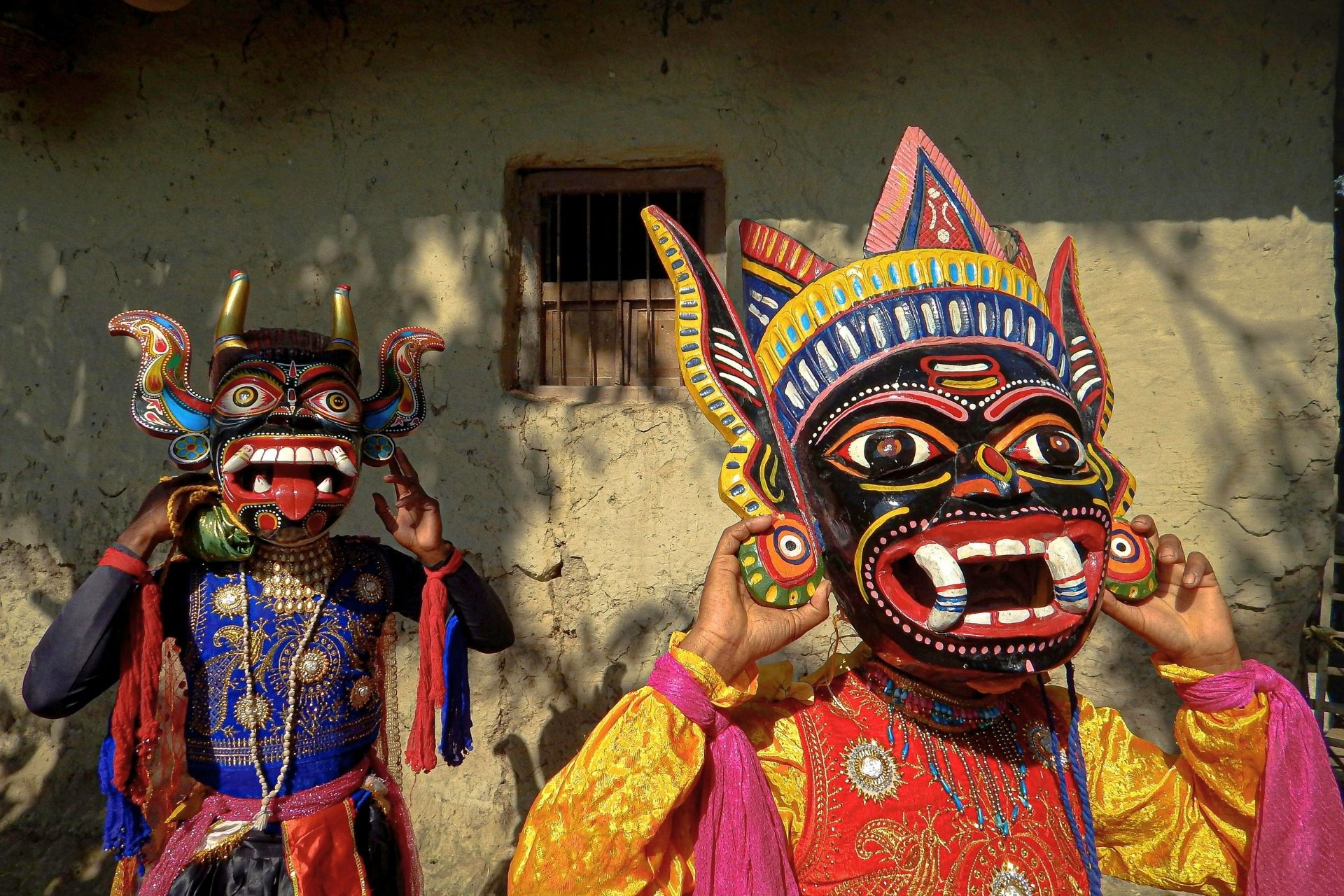
High in the Himalayas, Hemis Monastery becomes the stage for one of Ladakh’s most important Buddhist celebrations. Monks dressed in elaborate silk robes and striking masks perform sacred cham dances accompanied by the deep resonance of horns, drums, and cymbals. Held in honour of Guru Padmasambhava, the celebration offers a rare opportunity to witness traditions that have been preserved for centuries in one of the world’s most remarkable mountain landscapes.
Coming Next…
Our journey continues in Part II, where we’ll discover more remarkable celebrations across Asia—from the rhythmic streets of Japan and the spiritual waters of Myanmar to the living heritage of Vietnam and the colourful traditions of the Philippines.
Beyond the famous celebrations that attract international attention lies another Asia—one where traditions remain woven into daily life, where centuries-old customs continue to be practised, and where visitors are welcomed not simply as spectators, but as guests.
Sometimes, the most memorable journeys are not planned around landmarks, but around the moments when an entire community comes together to celebrate its heritage.
