

Land, Water, and Season in Quiet Transition
Not all journeys are defined by where you arrive.
Some are defined by where things begin to change.
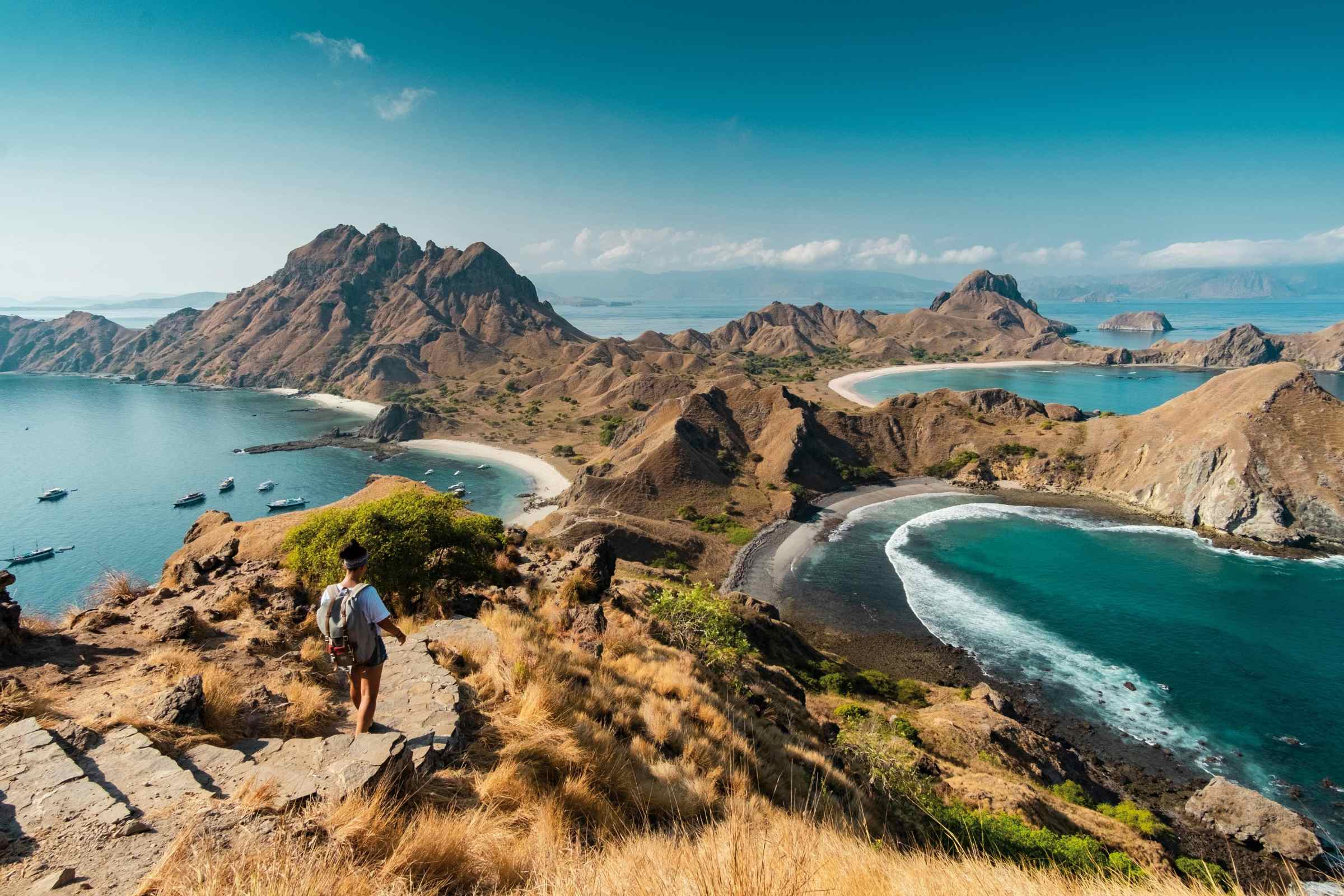
Across Asia, there are places where landscapes do not hold a single identity. These places transform with the changing of the seasons, where desert meets water, or rivers recede to reveal another world, liminal places that are never fully one thing or another.
These are not destinations that are defined by just one environment, they are thresholds between worlds.
Where the Desert Meets Water
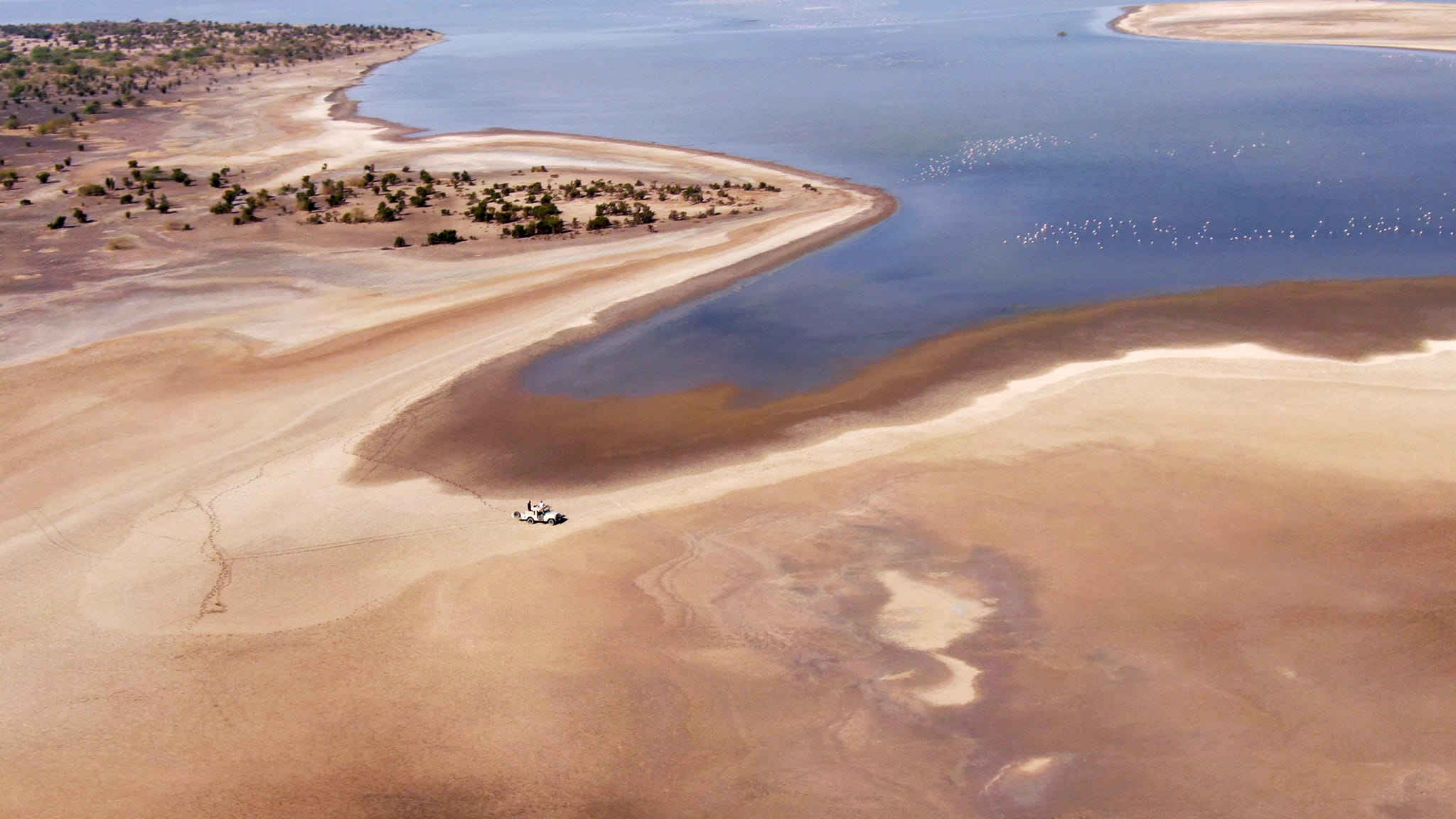
In the western reaches of India, the Rann of Kutch stretches outward in a vast, mineral expanse.
For much of the year, it appears almost lunar, a flat, white, and still expanse. But with the monsoon, water returns. The desert does not disappear, it transforms. Water borne reflections replace dust and mirage. Movement replaces silence.
This is a landscape defined not by permanence, but by change.

Where Rivers Reveal and Conceal
Along the Mekong in northeastern Thailand, Sam Phan Bok is a place that exists between visibility and submersion.
In the dry season, the river recedes to reveal thousands of rock formations, intricate forms exposed by the receding waters, weathered and sculpted by nature. When the rains return they disappear entirely beneath the surface.
What is seen depends entirely on when you arrive. The landscape is not fixed. It is revealed, then withdrawn.
Where Land Breaks into Sea
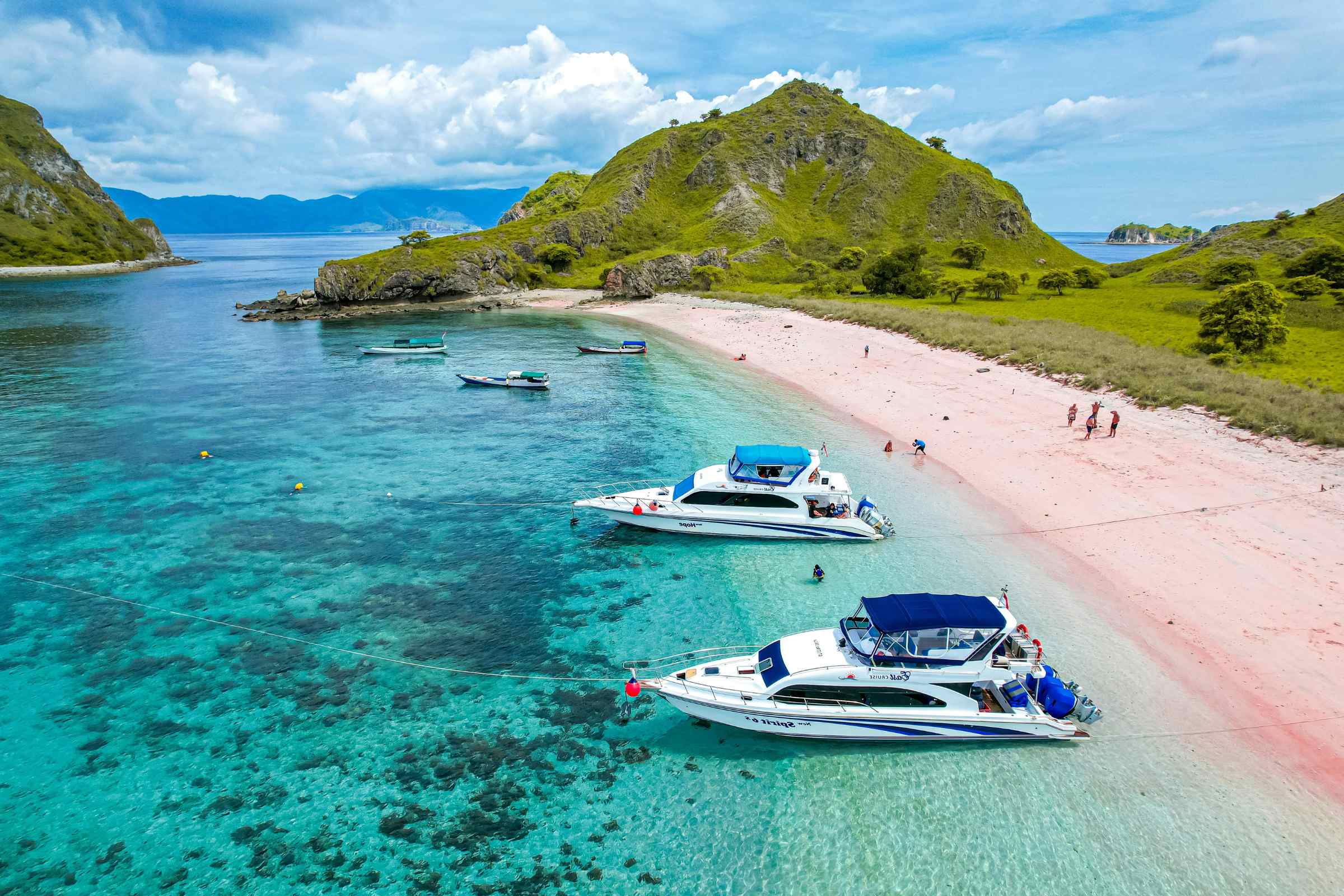
In eastern Indonesia, the island of Komodo exists in a constant negotiation between land and ocean.
Dry, undulating hills descend sharply into the deep azure water of the Flores Sea and the Indian Ocean. There is no gradual transition. The coastline is immediate, almost abrupt.
Here, the shift is physical. Inland, the air is still and sun-heavy. At the water’s edge, everything, the currents, the wind, the light, is in constant motion.

Where Jungle Meets Coast
Along the southern edge of Cambodia, Kep sits in quiet proximity to both sea and forest.
The coastline feels open, but the presence of jungle is never far away. Low hills, dense vegetation, and the famed pepper plantations, create a landscape that overlaps rather than divides.
Nothing here feels separate. The transition between environments is subtle, almost a continuous blending of scenery.
Where Rivers Shape the Land
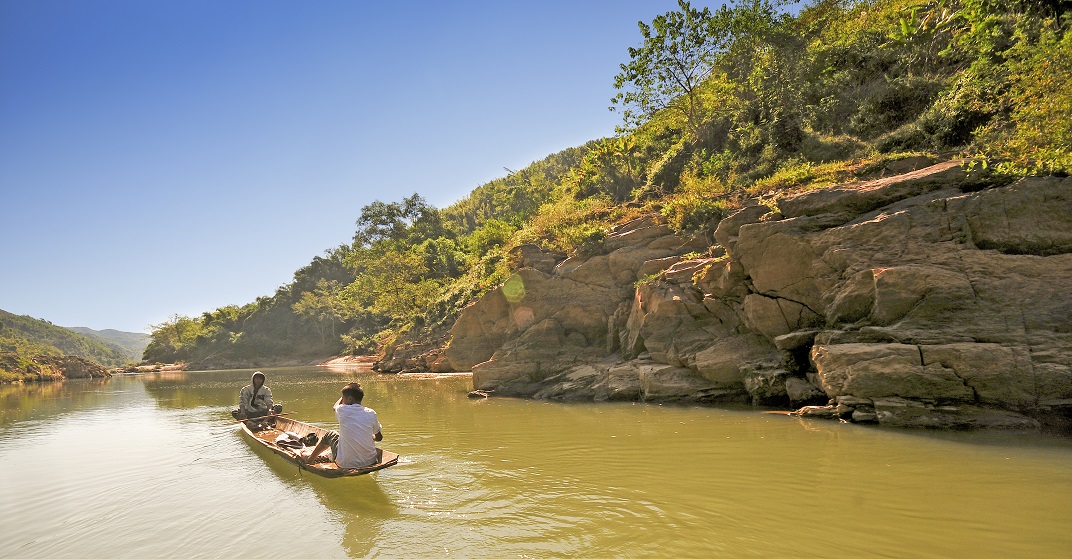
In Northern Laos, Oudomxay is defined by movement rather than form.
Rivers carve through mountainous and forested terrain, quietly determining how life unfolds. Villages follow the water courses. Paths emerge along the water’s edges. The landscape is not observed from above but understood from within.
Reading the Edges
What connects these places is not similarity, but transition.
They resist definition. They shift depending on season, light, and timing. To move through them is to notice change as it happens, gradually, and without announcement.
Within the Secret Retreats collection, these landscapes are approached with a sensitivity to that change. Not to frame them, but to immerse within and follow their rhythm.
There is a certain clarity found at the edges.
Not because they are simple, but because they are in flux.
This is where Asia begins to shift.
