

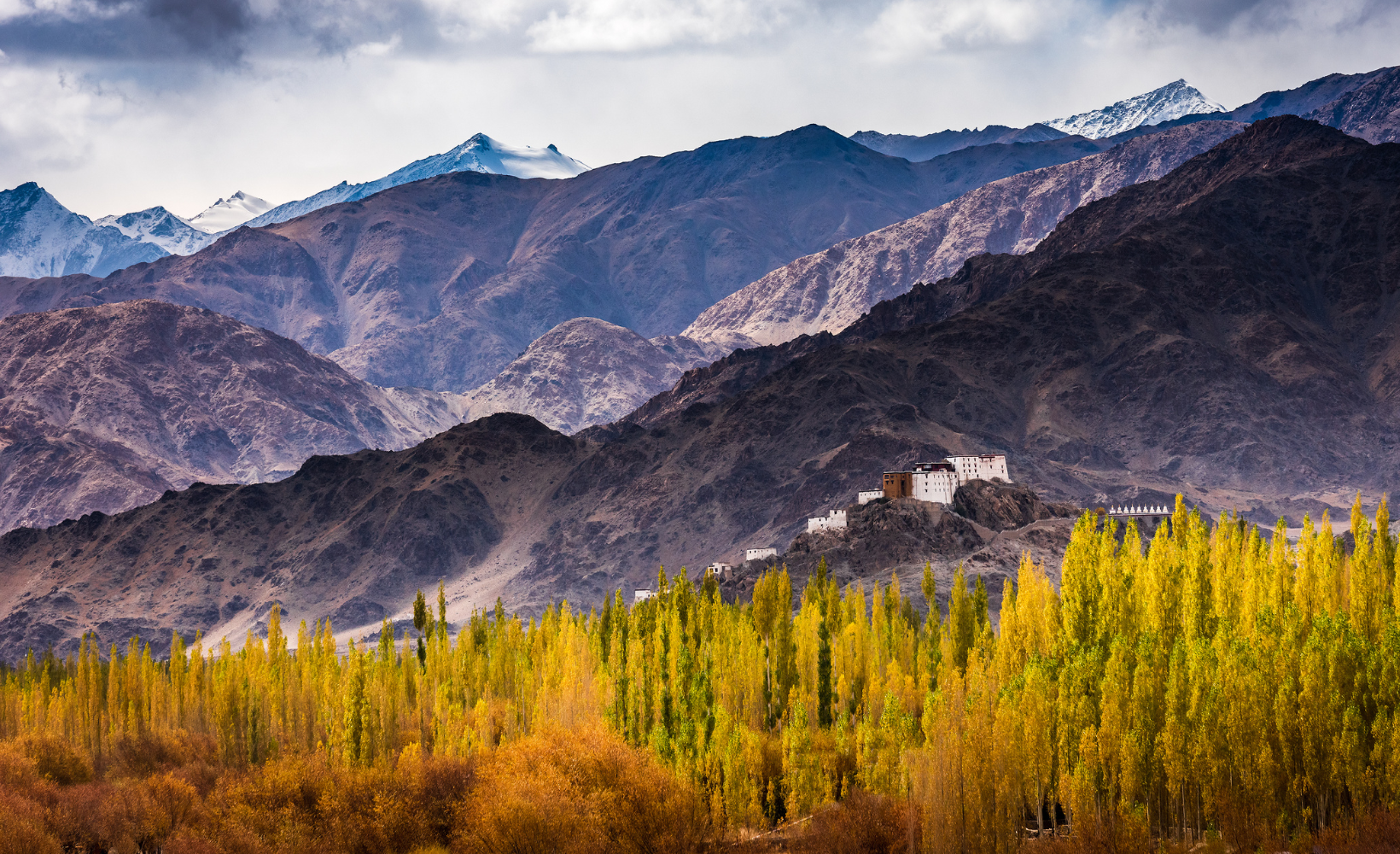
Where Asia’s Heritage Living and Welcomes You In
Across Asia, a rare group of boutique hotels is reshaping cultural travel by offering something deeper than curated décor. These properties allow guests to live inside history—surrounded not by replicas or staged displays, but by the true artefacts, heirlooms, and architectural legacies that shaped the families and communities behind them.
Under its “Living Museum Boutique Hotels” concept, Secret Retreats highlights extraordinary properties where heritage is not simply preserved but actively lived. These hotels invite travellers into intimate cultural worlds, where stories are passed down not through exhibitions but through the spaces themselves.
This distinguished group includes Stok Palace (India), Amarela (Philippines), House of MG (India), Chakrabongse Villas (Thailand), Cheong Fatt Tze – The Blue Mansion (Malaysia) and the Tugu Hotels in Malang, Bali, Lombok and House of Tugu Jakarta (Indonesia). Each offers guests a rare opportunity to experience history in its most authentic form—quiet, personal, and deeply rooted in place.
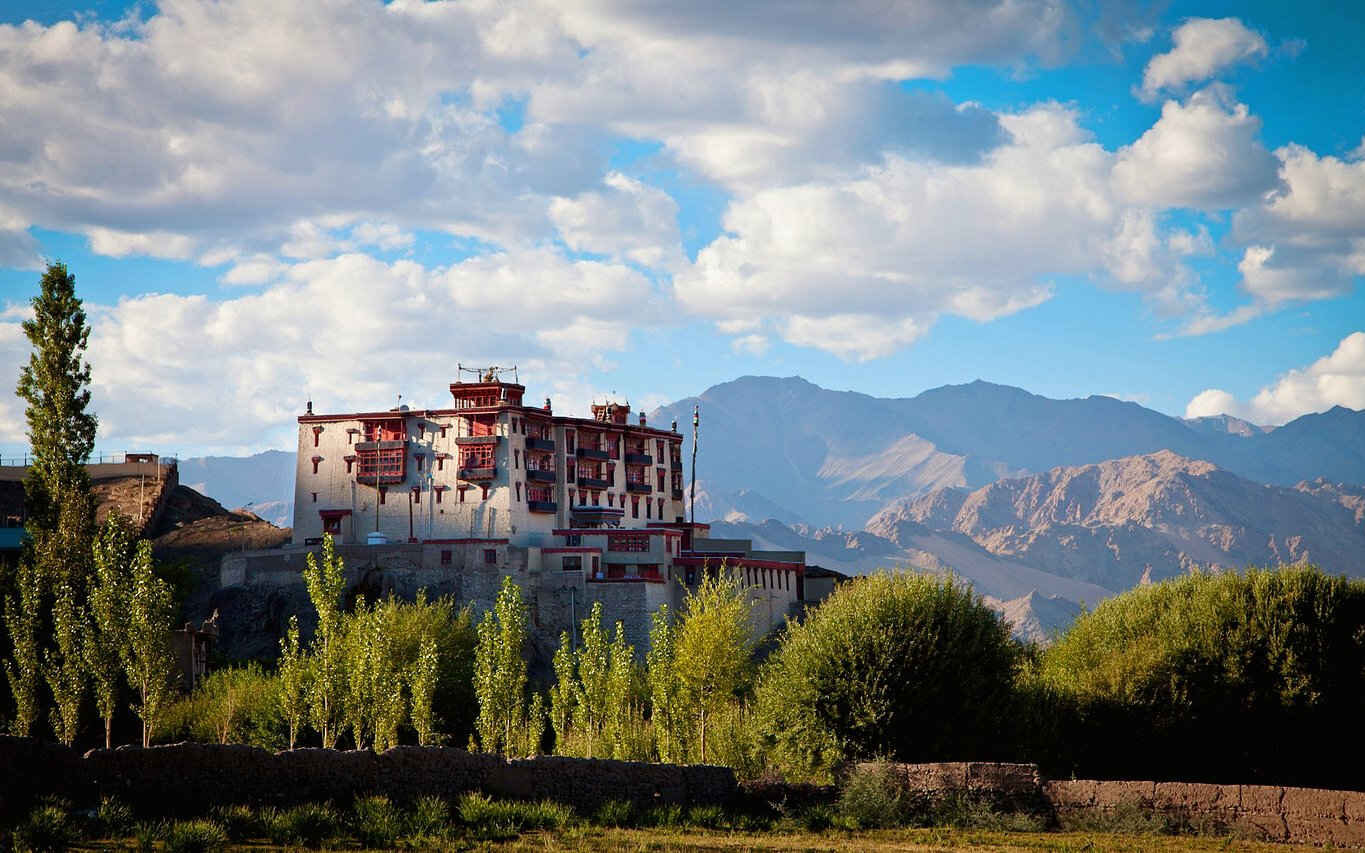
At Stok Palace in Ladakh, the royal family’s private museum rooms hold centuries-old thangkas, ceremonial armour, manuscripts, and royal heirlooms displayed exactly where they have been kept for generations. A stay here feels less like visiting a museum and more like stepping into a living chapter of Ladakhi history. Guests move through corridors still used by the family during ceremonies, sharing in the palace’s rhythms and gaining a profound sense of continuity between past and present.
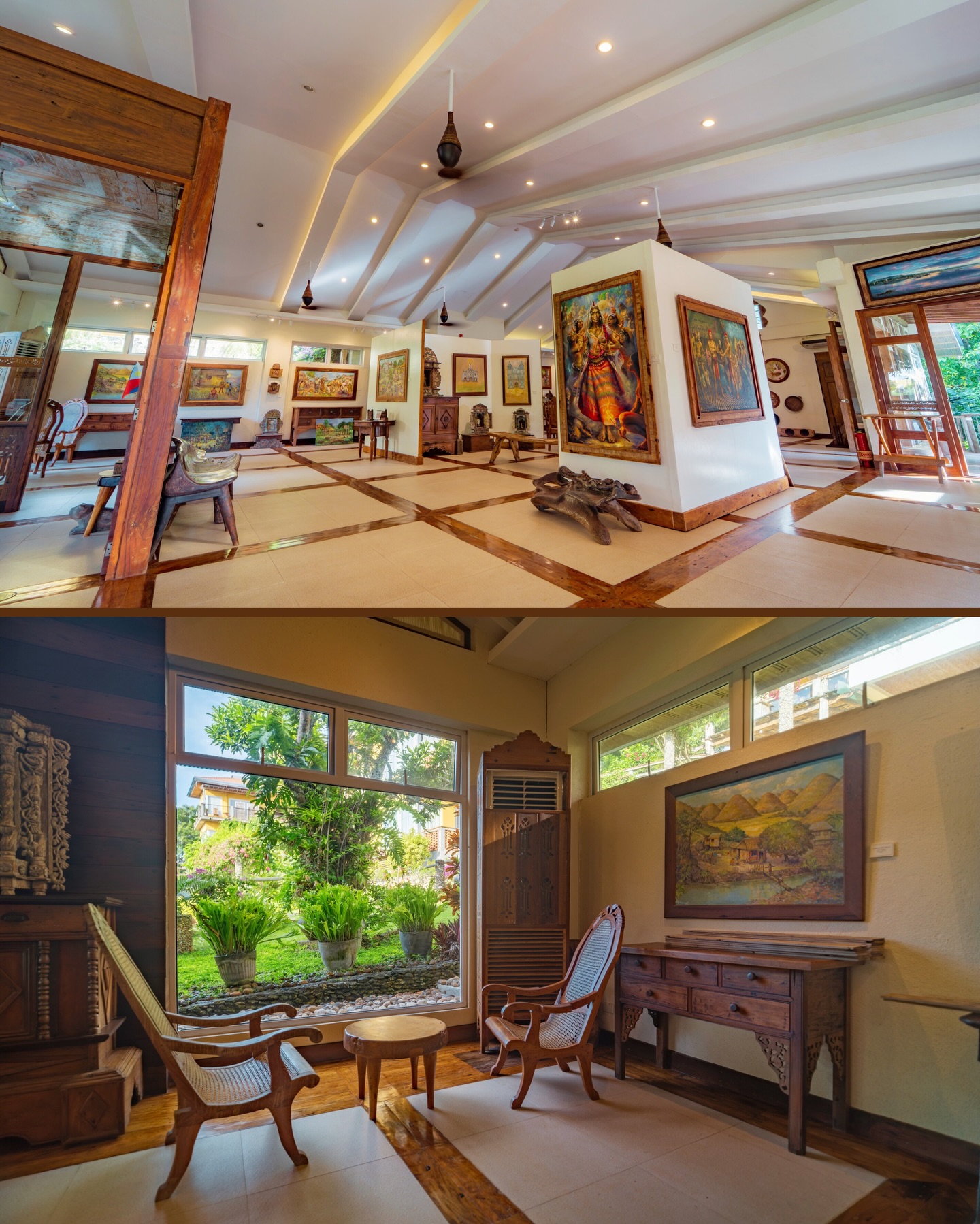
In the Philippines, Amarela preserves Bohol’s artistic heritage through its own on-site gallery, showcasing local painters, woodworkers, and artisans. Antique furniture, reclaimed hardwood pieces, and carefully curated folk art fill the property with a sense of place unique to the Visayas. More than a resort by the sea, Amarela acts as a cultural steward—uplifting regional artists and honouring traditional craftsmanship at every turn.

In Ahmedabad, House of MG stands as a testament to a storied textile family. Its rooms and hallways display hand-embroidered textiles, family heirlooms, antique crafts, and archival photographs from the early 20th century. The mansion’s architecture—courtyards, colonnades, and carved jalis—immerses guests in Gujarat’s craft heritage. Every stay becomes a quiet journey through the region’s design traditions, told through objects that once formed part of everyday life in a prominent Gujarati household.

Chakrabongse Villas, nestled along the Chao Phraya River, offers an intimate encounter with Thailand’s royal past. Inside its historic residence, the Chakrabongse family preserves rare personal memorabilia, photographs, and items linked to Prince Chakrabongse and his descendants. Guests experience old Bangkok through the lens of a family that helped shape the cultural and political landscape of the early 20th century. The villa’s riverside gardens and teak-lined halls further anchor it in a serene, timeless Thailand.

In Penang, Cheong Fatt Tze – The Blue Mansion remains a masterpiece of architectural and cultural restoration. Within its indigo walls, dedicated museum rooms hold the personal collections of Cheong Fatt Tze—porcelain, carved furniture, calligraphy, and documents that trace the life of one of the region’s most influential figures. The mansion’s iconic layout, blending Eastern and Western influences, becomes an immersive lens into both Penang’s multicultural past and the legacy of a visionary family.
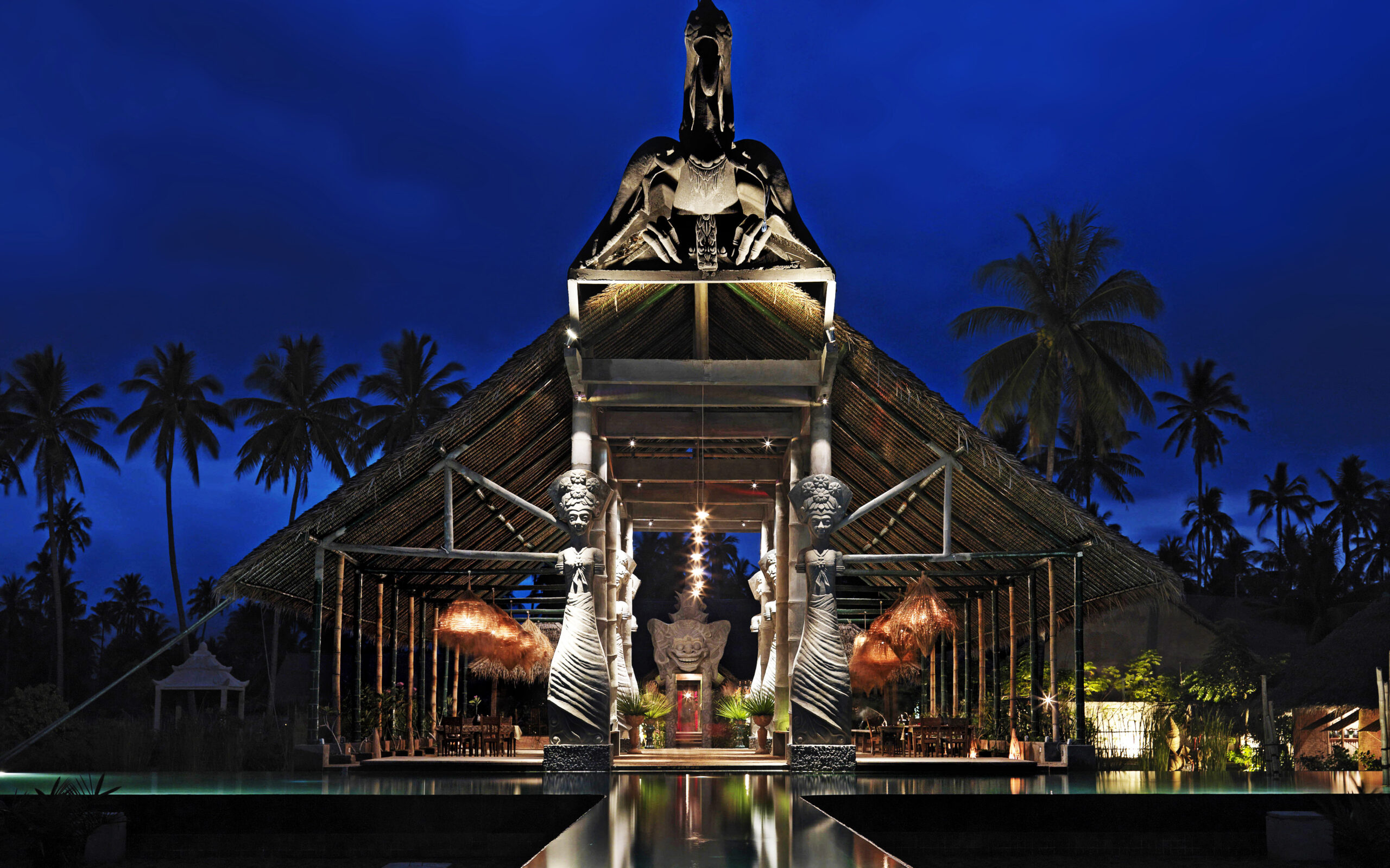
“These are not hotels styled to appear historical—they are places where history genuinely lives,” says Stéphane Junca, Managing Director of Secret Retreats. “Guests don’t just observe heritage; they inhabit it. Every stay becomes a cultural exchange, personal and deeply enriching.”
Together, these Life Museum Boutique Hotels embody a profound respect for heritage and craftsmanship while offering guests a rare privilege: the chance to sleep inside history, surrounded by the artistry and memories of generations who shaped Asia’s cultural landscapes.
