The Asia of Fermentation: How Preservation Became Culture
Long before refrigeration, before supply chains carried food across continents and supermarkets made every season feel the same, much of Asia lived according to the cycles of the seasons, of abundance and scarcity.
A river might provide more fish than a village could consume during a single season. A rice harvest might produce enough grain for months, but not enough to survive until the next planting if it spoiled. In northern climates, winter could cut communities off from fresh vegetables for months. In tropical regions, heat and humidity could spoil food within days.
And it was faced with these challenges across Asia that people discovered time could become an unlikely ally against uncertainty.
By harnessing the invisible work of yeasts, moulds, and beneficial bacteria, generations of farmers, fishermen, monks, and home cooks learned how to preserve food long after harvest season had ended. Yet fermentation has become far more than a practical solution. Over the centuries, it has evolved into tradition, identity, and culture itself. And today, many of Asia’s most iconic flavours are the result of this ancient relationship between people, landscape, and time.
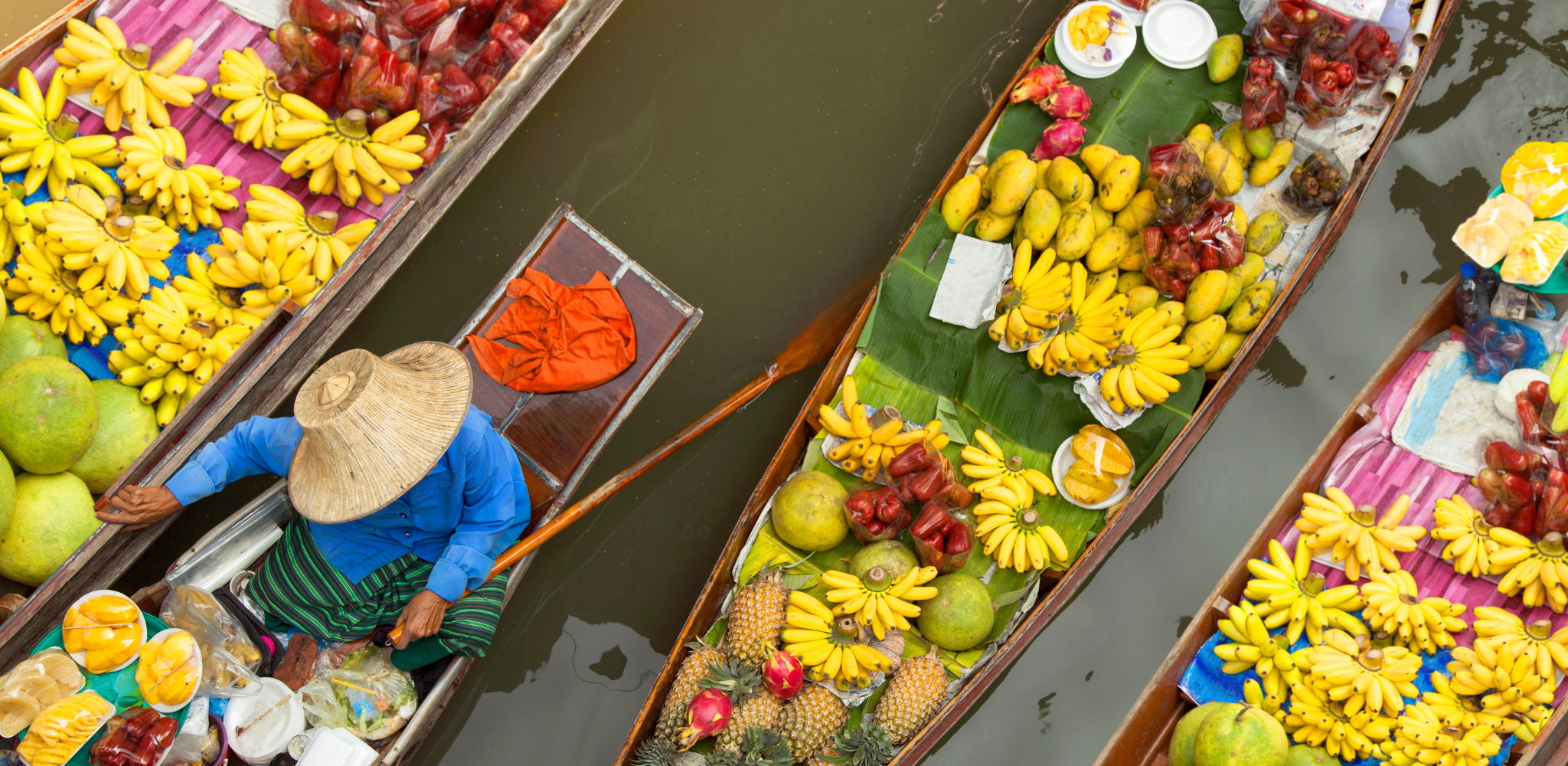
Thailand: From the Sea and the Rice Field
Thailand’s fermentation traditions emerged from two sources that have shaped the kingdom for centuries, these sources are water and rice.
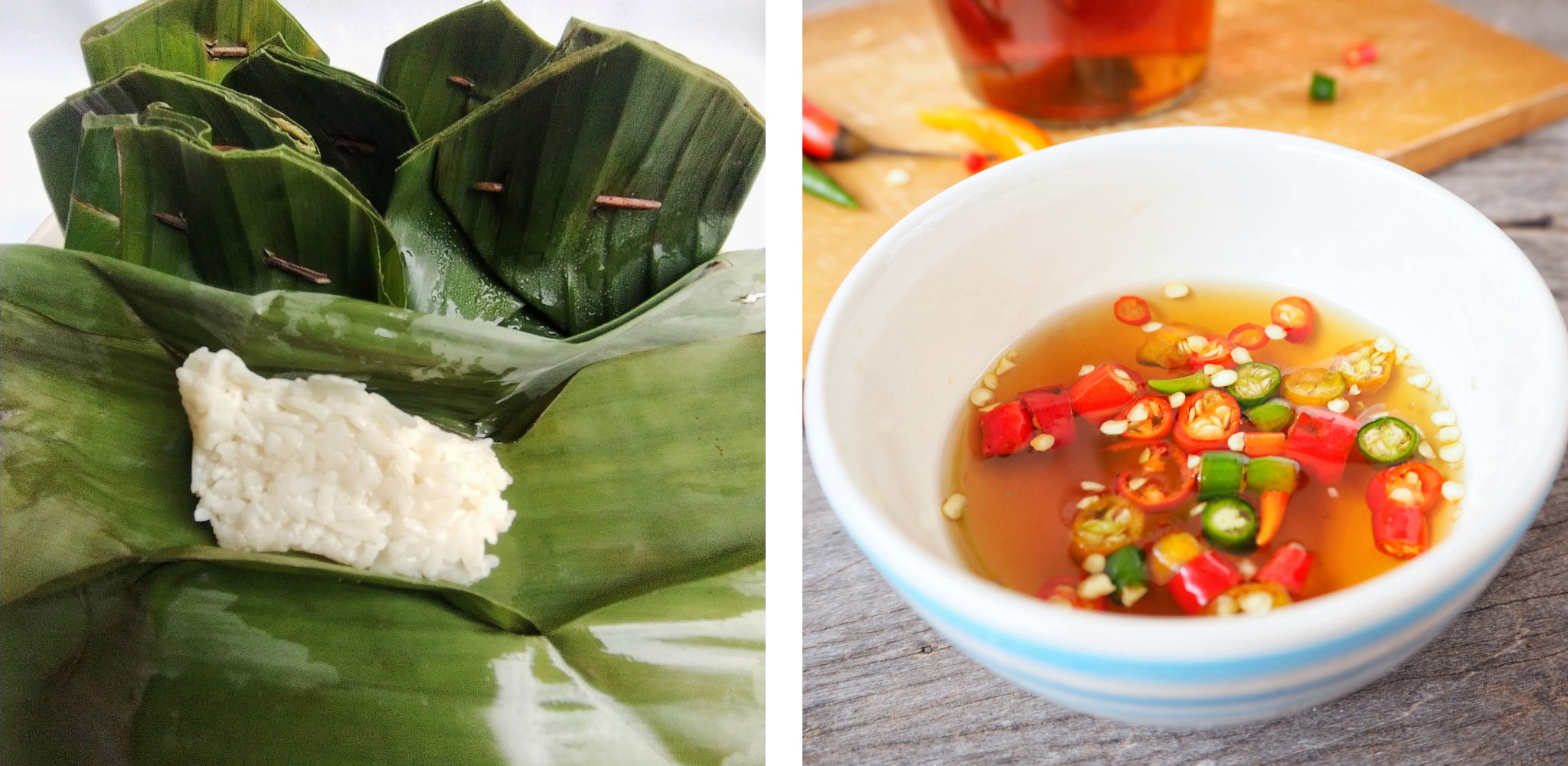
Along the coastlines of the Gulf of Thailand and the Andaman Sea, fishing communities often faced periods of extraordinary abundance. During seasonal migrations, catches could be so large that consuming them fresh was impossible. Salting and fermenting fish became a practical necessity, allowing protein to be preserved for the months when fishing was less productive. Over time, this process produced the ubiquitous nam pla or fish sauce, whose origins stretch back centuries and whose deep savoury flavour became one of the defining foundations of Thai cuisine.
Inland, where rice cultivation shaped everyday life, communities developed different forms of fermentation. One of the oldest is khao mak, made by introducing fermentation starters to steamed glutinous rice. As the rice slowly transforms, it develops a delicate sweetness and gentle aroma. The dish reflects a society built around rice agriculture, where every harvest was precious and surplus grain was carefully preserved rather than wasted.
Together, these traditions tell the story of a country nourished by both rivers and seas, where preservation became part of daily life long before it became culinary heritage.

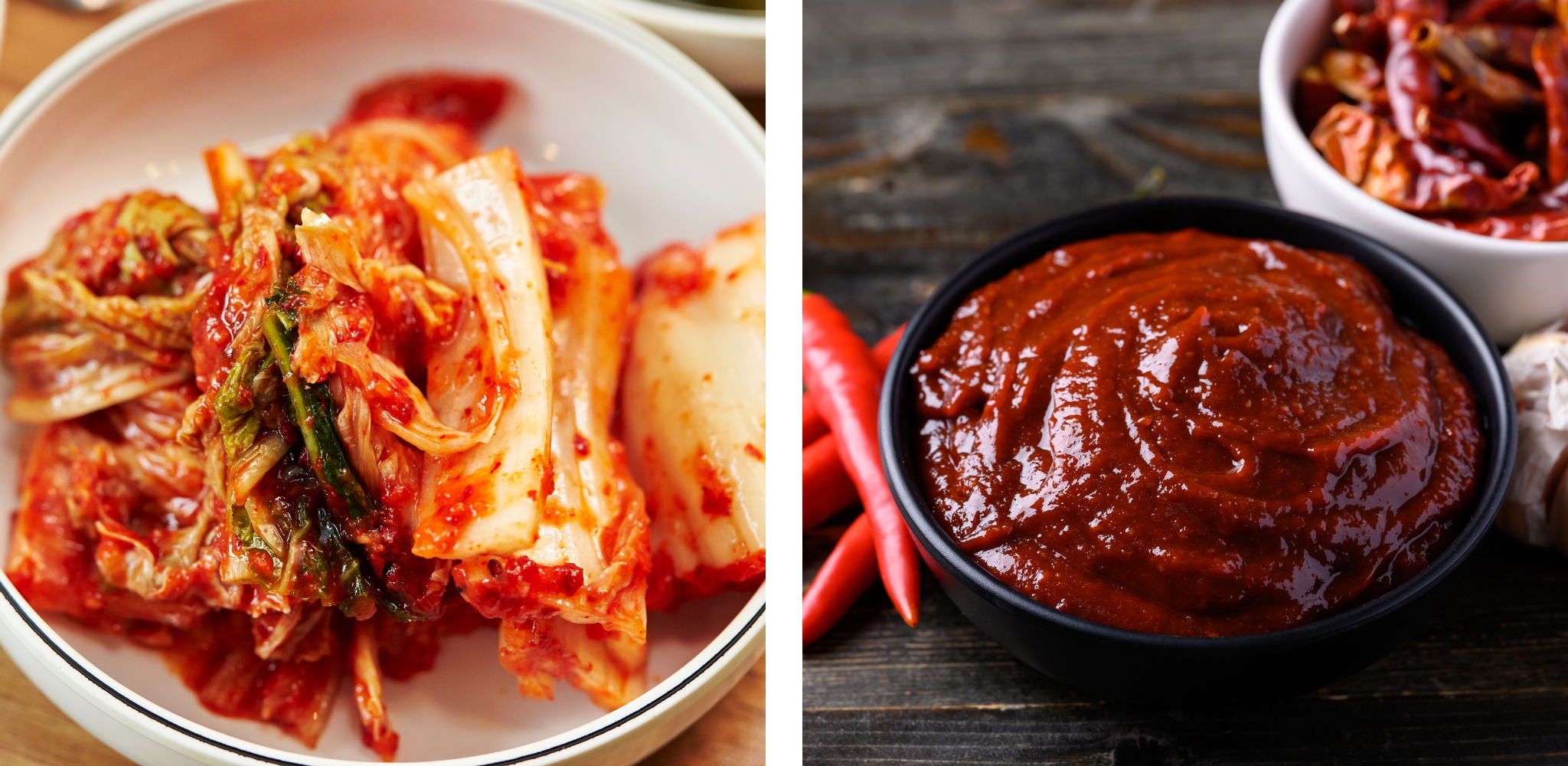
Korea: Preparing for Winter
Few places illustrate the connection between climate and fermentation more clearly than Korea.
Korean winters can long and bitterly cold. Before modern agriculture and transportation, fresh vegetables became scarce once the temperatures dropped and snow fell. Communities therefore spent autumn preparing for the months ahead, preserving cabbage, radishes, and other vegetables through fermentation.
This annual tradition, known as kimjang, remains today as one of Korea’s most important cultural practices. Families and neighbours gather to prepare vast quantities of kimchi before winter arrives, continuing a custom that dates back centuries. The fermented vegetables were traditionally stored in earthenware jars called onggi, whose porous walls allowed the food to breathe while remaining protected from the elements.
Alongside kimchi emerged jang, the family of fermented soybean products that include doenjang, ganjang, and gochujang. Soybeans provided a valuable source of nutrition in a society where meat was historically limited for much of the population. Through fermentation, they became foods capable of lasting through the seasons while providing flavour and sustenance throughout the year.
What began as preparation for winter eventually became one of the Asia’s most celebrated culinary traditions.
Alongside kimchi emerged jang, the family of fermented soybean products that includes doenjang, ganjang, and gochujang. Soybeans provided a valuable source of nutrition in a society where meat was historically limited for much of the population. Through fermentation, they became foods capable of lasting through the seasons while providing flavour and sustenance throughout the year.
What began as preparation for winter eventually became one of the world’s most celebrated culinary traditions.

Laos: The Mekong’s Living Pantry
The story of fermentation in Laos begins with the Mekong river.
For centuries, the river served as both highway and pantry, sustaining the communities that live along its banks. During periods of seasonal abundance, fish were plentiful but preserving this abundance for the dry season presented a challenge.
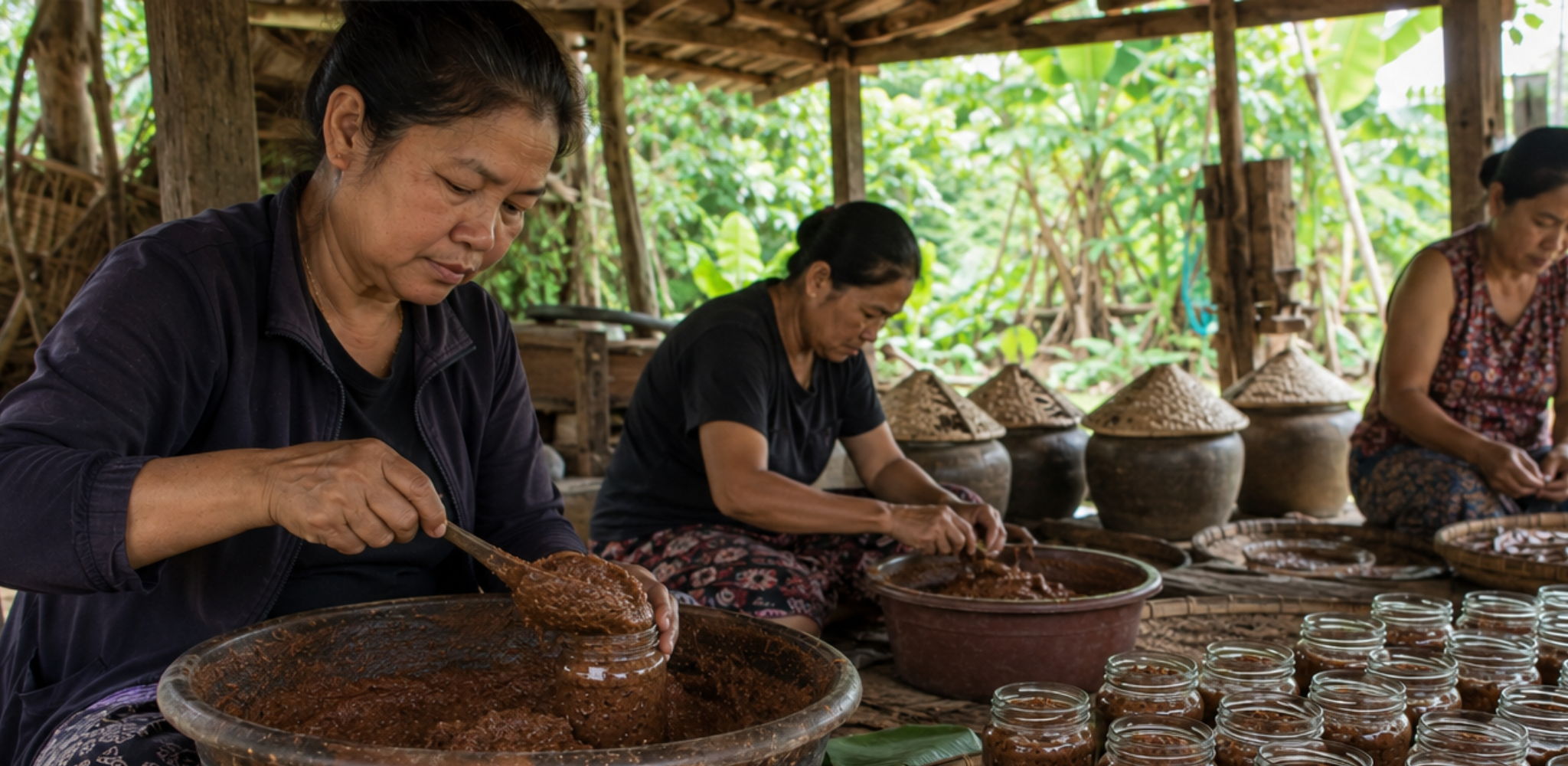
The solution was padaek, a fermented fish paste believed to have been produced in the region for generations. Fish were cleaned, salted, and left to ferment for months, sometimes longer. The result was a concentrated source of nutrition and flavour capable of lasting well beyond the fishing season.
More than a condiment, padaek became an essential part of Lao identity. Its rich, earthy character reflects the rhythms of river life and the ingenuity of communities that learned to transform abundance into food security.
Vietnam: Preserving Through Change
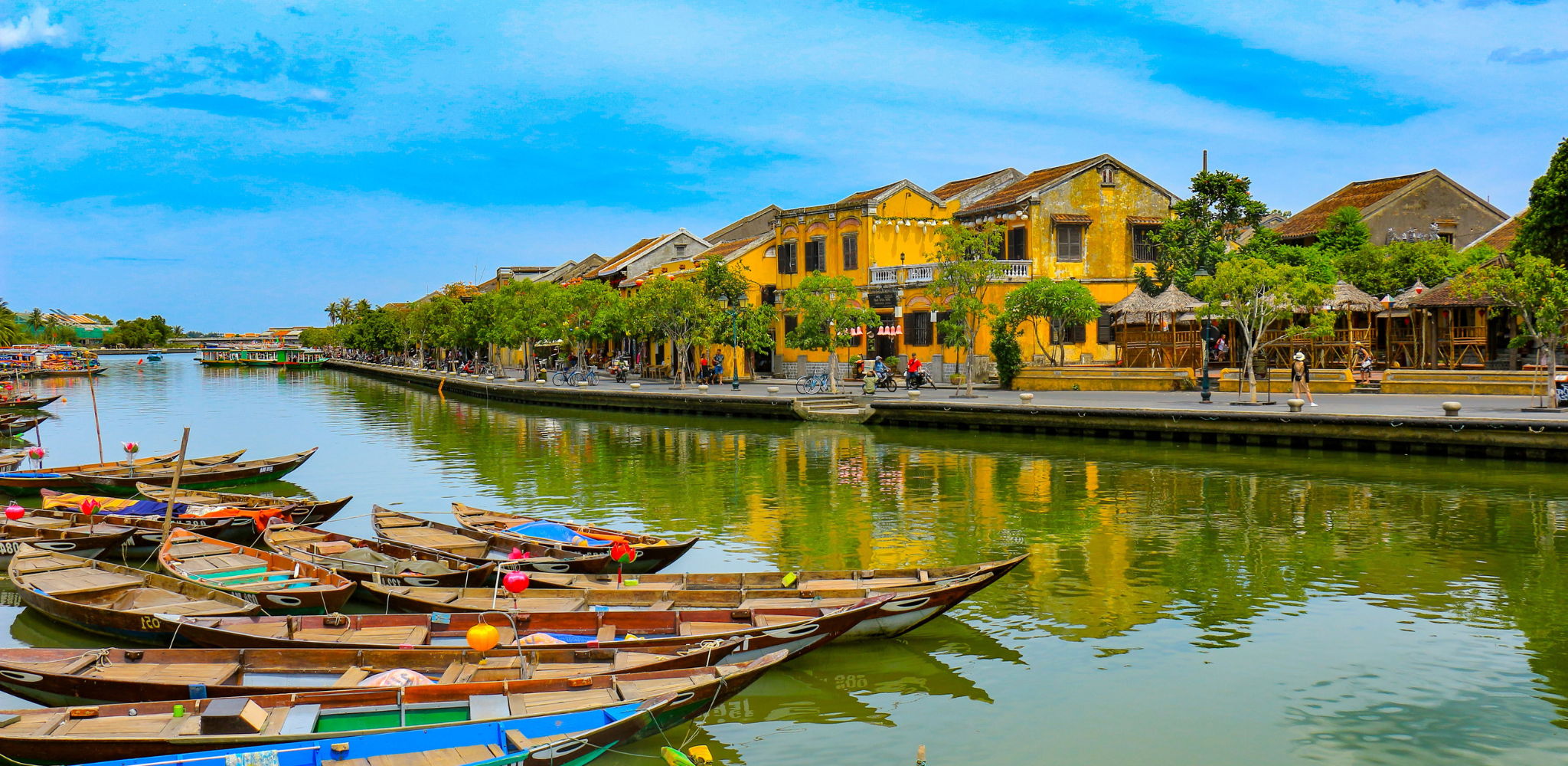
Vietnam’s diverse geography gave rise to equally diverse fermentation traditions.
Along the coastline, fishing communities developed fermented fish and shrimp products that could survive long periods without spoilage in a tropical climate. Inland, communities found ways to preserve meat and vegetables through controlled fermentation.
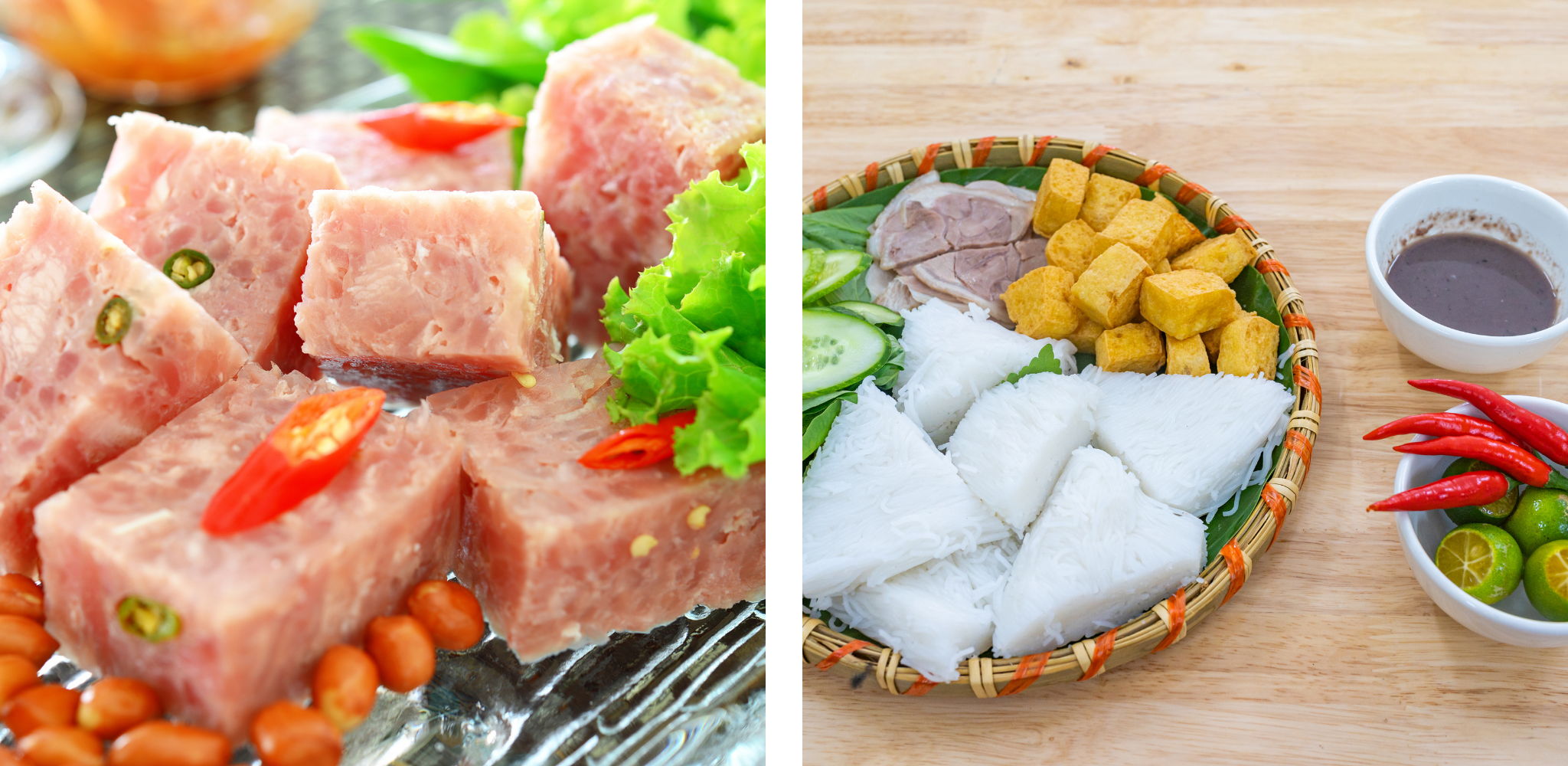
Among the most distinctive examples is nem chua, a fermented pork preparation believed to have originated as a practical method of extending the shelf life of meat in a time before refrigeration. Through fermentation, the pork develops the characteristic tangy flavour of nem chua while remaining safe to consume.
Fermented shrimp pastes became indispensable ingredients in regional cuisines from north to south. Though often used in small quantities, they contribute rich layers of flavour that are rooted in centuries of preservation practices.
Together, these foods reveal a culture shaped by rivers, coastlines, trade routes, and agricultural abundance.
Indonesia: Fermentation Across the Archipelago
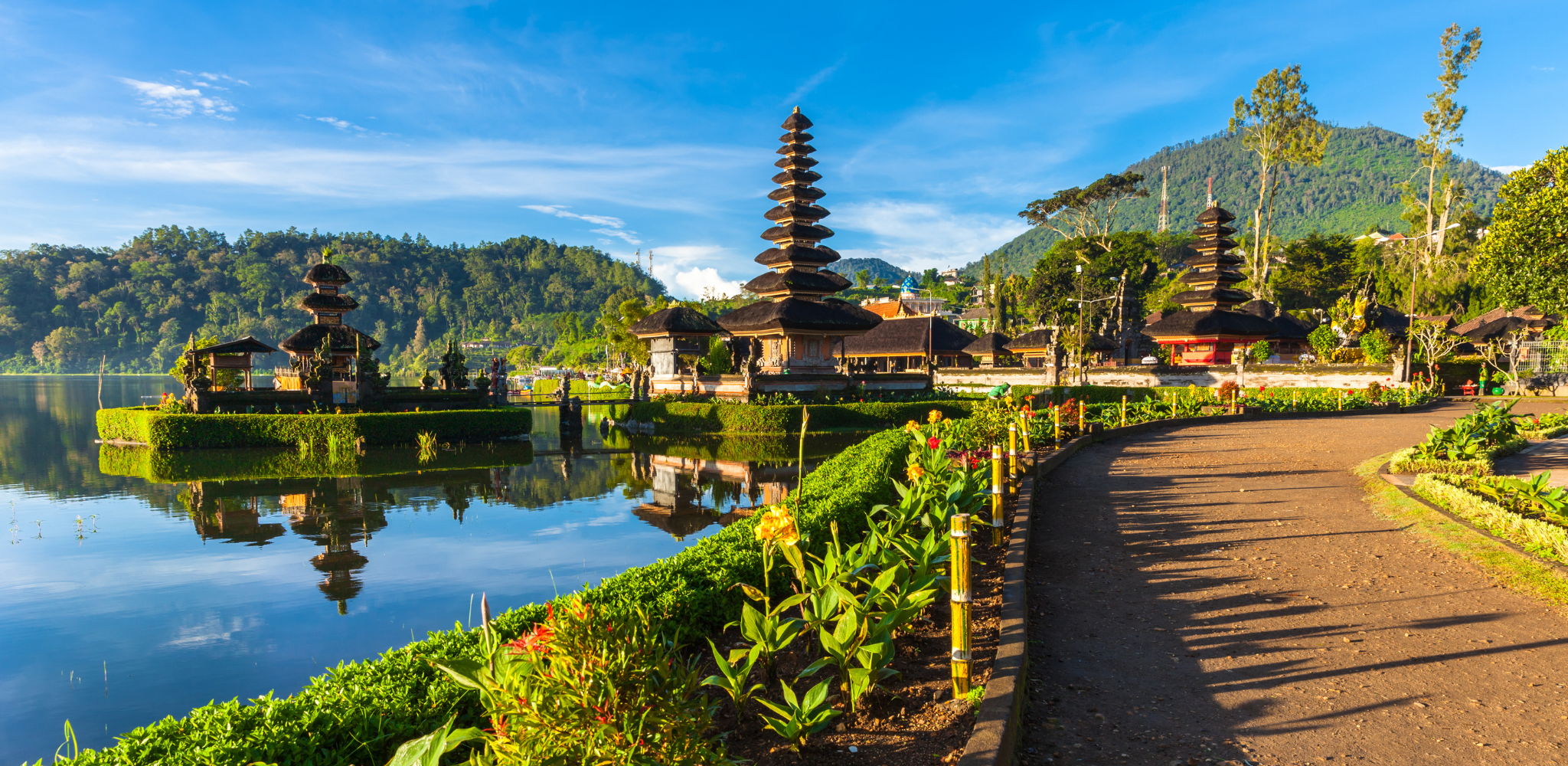
Spread across more than seventeen thousand islands, Indonesia has developed an extraordinary diversity of fermented foods.
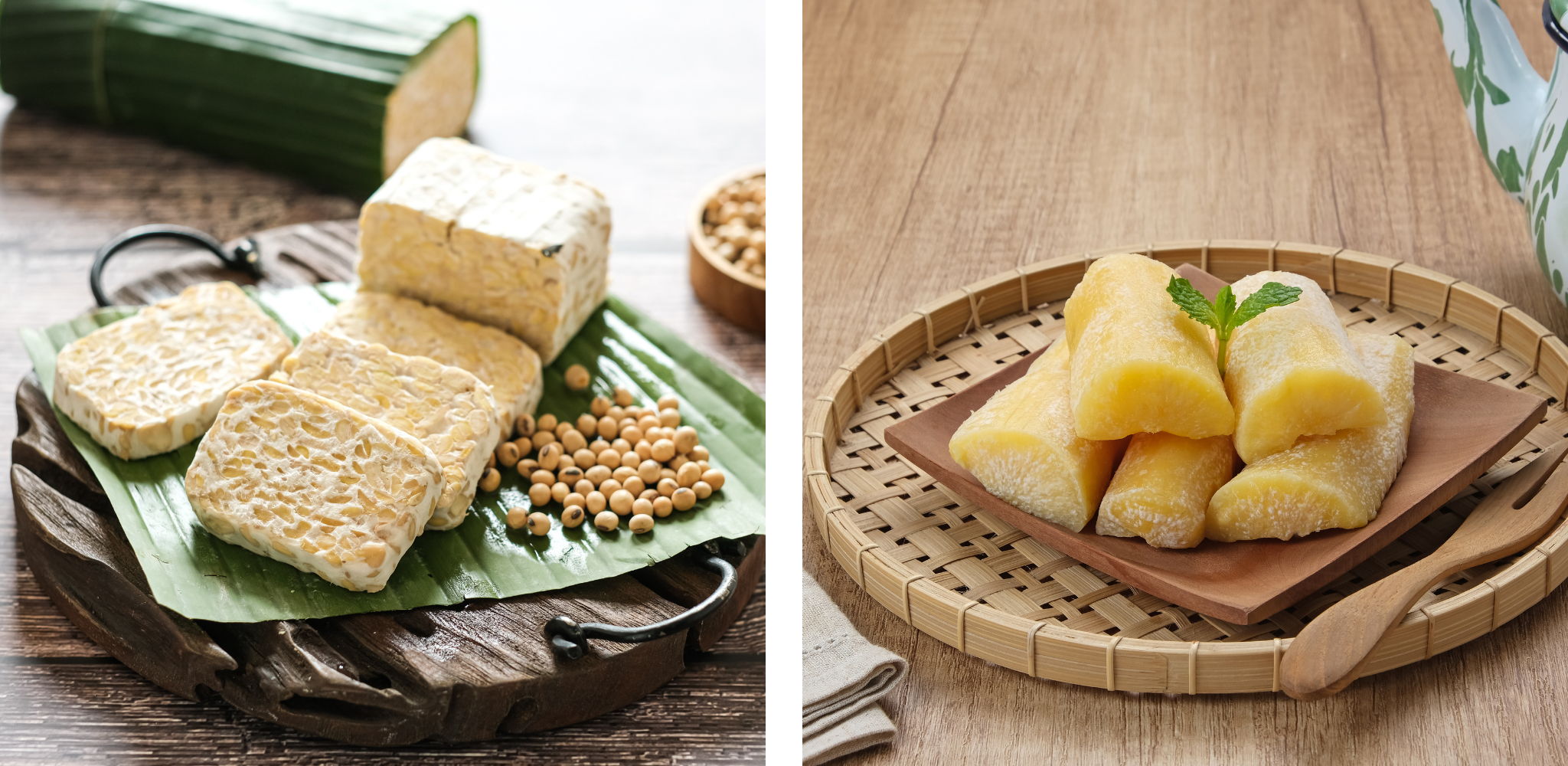
Perhaps among the most significant is tempeh, which originated on the island of Java several centuries ago. By fermenting soybeans with a naturally occurring mould, communities created a highly nutritious food that could be stored longer and digested more easily than the soybeans alone. Long before the modern world recognized plant-based proteins, tempeh was already feeding generations.
Another enduring tradition is tape, produced from rice or cassava. Through fermentation, simple starches are transformed into a sweet, aromatic food that is enjoyed throughout the archipelago. The practice reflects Indonesia’s agricultural diversity and its long history of adapting preservation methods to local ingredients.
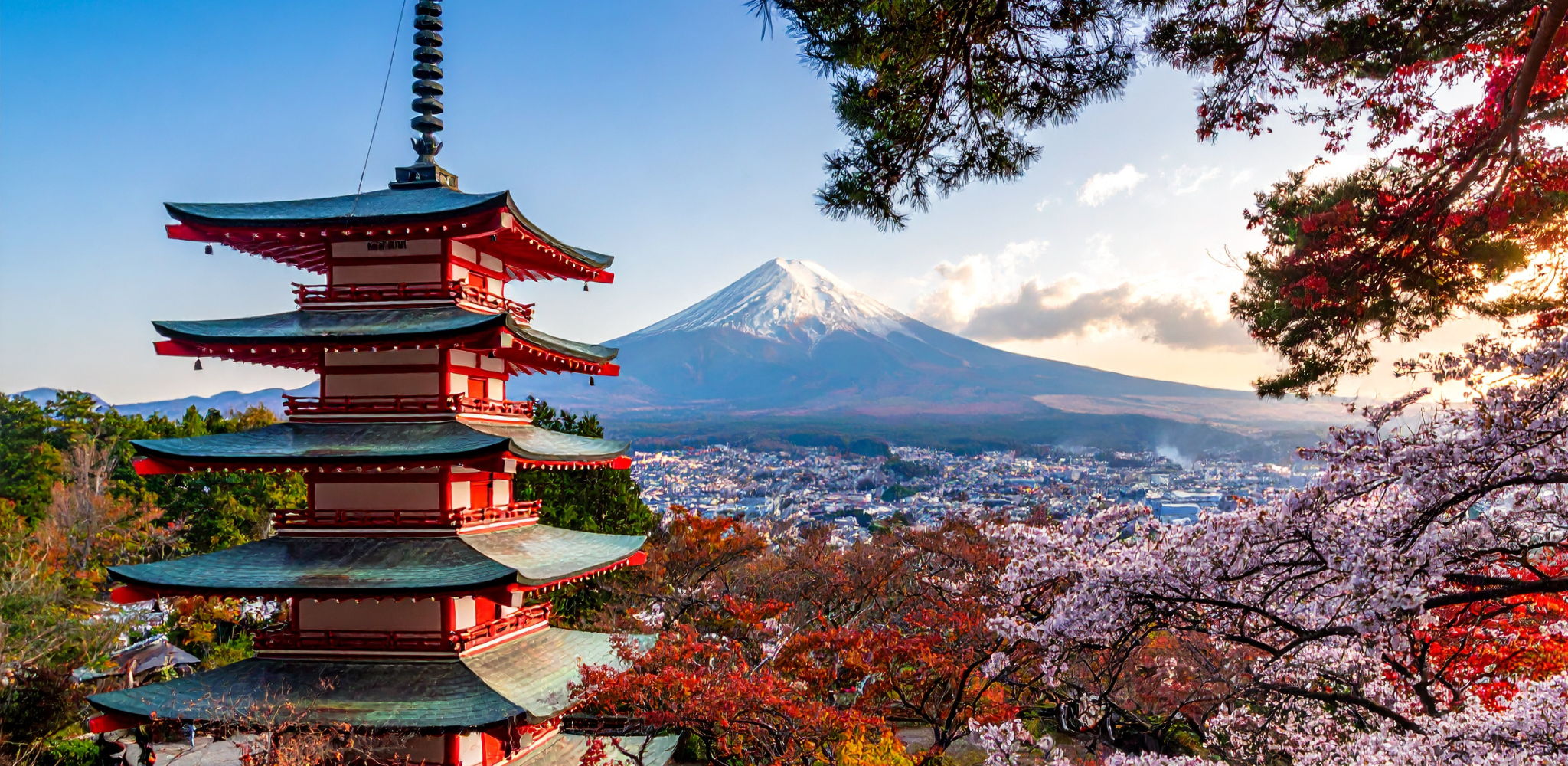
Japan: The Pursuit of Perfection
In Japan, fermentation evolved beyond preservation into a refined craft.
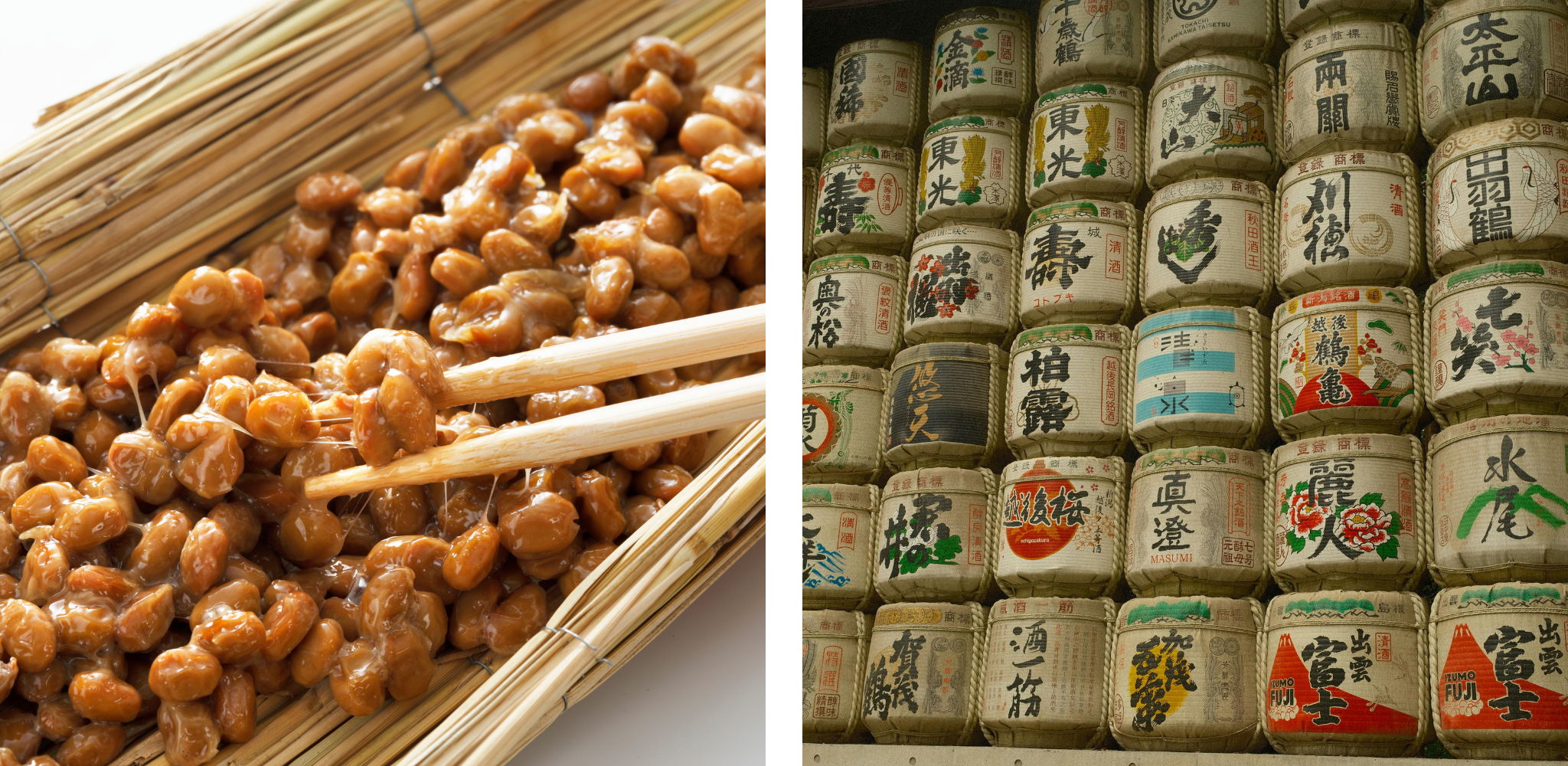
Many of the country’s most iconic foods such as miso, soy sauce, natto, and sake, owe their existence to koji, a mould that has been cultivated and carefully managed for more than a thousand years. Introduced from China and refined over centuries, koji became one of the most influential ingredients in Japanese culinary history.
Miso and soy sauce emerged as ways of preserving valuable crops while enhancing flavour. Sake developed from rice cultivation traditions and eventually became intertwined with religious ceremonies, festivals, and social life. Natto, fermented soybeans with origins dating back at least a millennium, likely emerged from the practical realities of storing cooked beans during travel and military campaigns.
The result is a culinary culture where fermentation is today respected not merely as a technique but an art form, one that continues to reward patience, precision, and a respect for the passage of time.
The Keepers of Living Traditions
Although fermentation is now studied in laboratories and celebrated by chefs, its true custodians remain the people who continue these traditions in homes, kitchens, farms, and villages across Asia.
They are the families preparing kimchi before winter, the fisherfolk salting their catch along the banks of the Mekong, the artisans tending centuries-old miso barrels, and the rice farmers producing fermentation starters as their ancestors once did.
Through their hands, ancient knowledge continues to evolve without losing its roots.
Travelling Through Fermentation
To understand fermentation is to understand how people adapted to the landscapes they called home.
A spoonful of padaek tells the story of the Mekong. A bowl of kimchi speaks of winter preparation and community in Korea. A sip of sake reflects centuries of rice cultivation and craftsmanship in Japan. A drop of fish sauce recalls generations of coastal life in Thailand that have been shaped by the rhythms of the sea.
These foods are not simply ingredients. They are edible archives that preserve histories in their origin stories and cultural memory long after the seasons that created them have passed.
For travellers, fermentation offers a different way of discovering a destination. Beyond monuments and landscapes, it reveals how people responded to the challenges of climate, geography, and seasonality. It tells stories of fishing villages preparing for lean months, farming communities safeguarding precious harvests, and families passing knowledge from one generation to the next.