

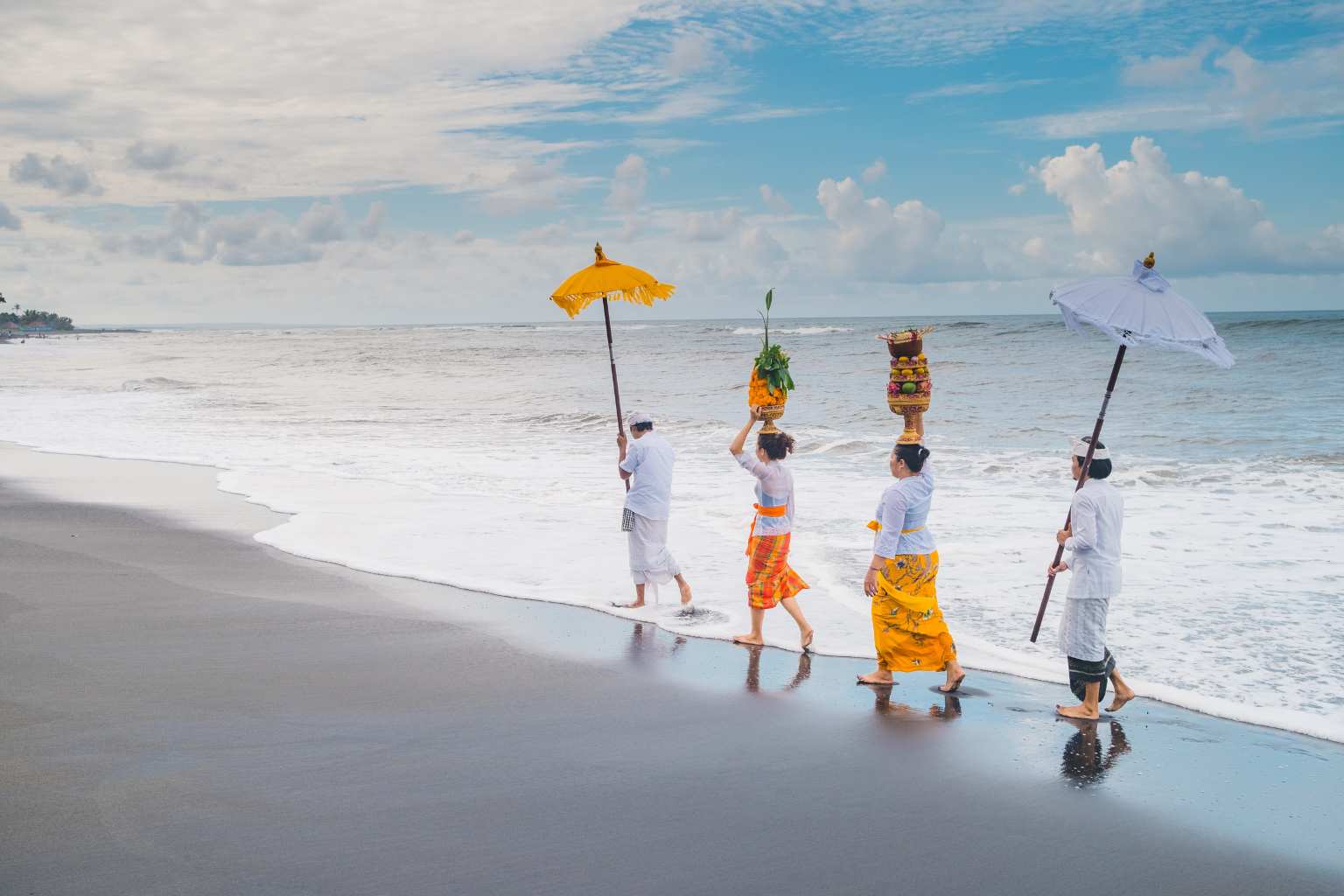
The Day the Island Stands Still
In a world that rarely slows down, there is one place where an entire island chooses to pause.
Each year in Bali, the Balinese New Year begins not with celebration or fireworks, but with silence. The day is known as Nyepi — a moment when daily life gently disappears, and stillness becomes the shared rhythm of the island.
For twenty-four hours, Bali withdraws from movement, sound, and distraction. Roads fall quiet, lights dim, and even the skies above the island rest as flights pause at Ngurah Rai International Airport. From the beaches of Kuta to the rice fields of Ubud, the island collectively embraces a rare act of reflection.
Nyepi is not simply a holiday. It is a philosophy lived by millions.
The Four Principles of Silence
Nyepi is guided by four fundamental prohibitions that shape the day. Known in Balinese Hindu tradition as Catur Brata Penyepian, these practices invite the community to withdraw from everyday activity and turn inward.
Amati Geni — No Fire or Light
Fires are not lit and lights are kept to a minimum. At night, Bali becomes unusually dark, allowing the stars to appear with stunning clarity.
Amati Karya — No Work
Daily routines pause. Shops close, offices rest, and the usual pulse of commerce fades away.
Amati Lelungan — No Travel
Movement across the island stops. Roads remain empty, guarded only by traditional community patrols ensuring the quiet is respected.
Amati Lelanguan — No Entertainment
Music, television, and social activities are set aside. The day becomes one of meditation, prayer, and contemplation.
Together, these principles transform Bali into something extraordinary: a place where stillness becomes a collective act.
The Night Before: Chaos Before Calm
The quiet of Nyepi is preceded by one of Bali’s most vibrant traditions.
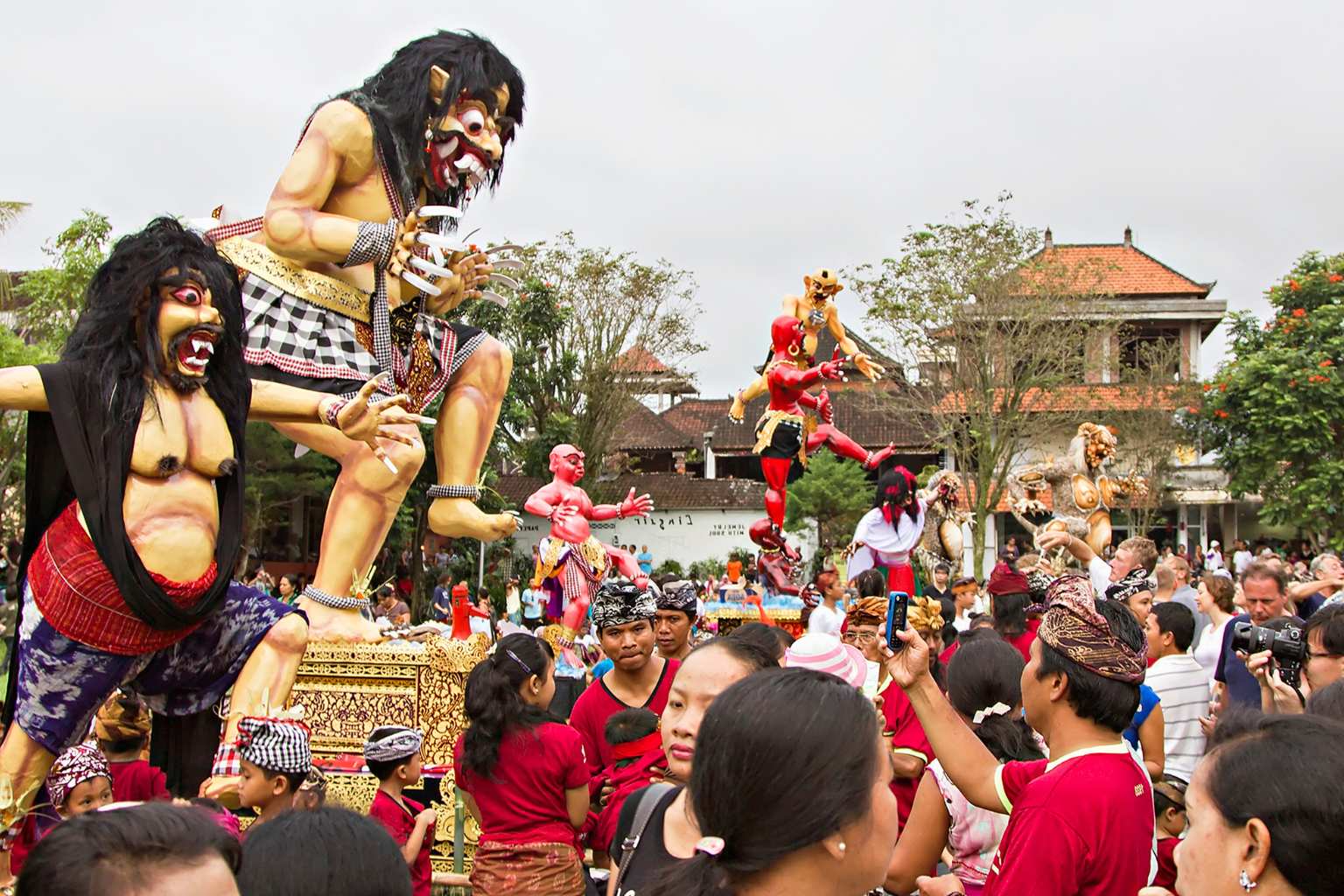
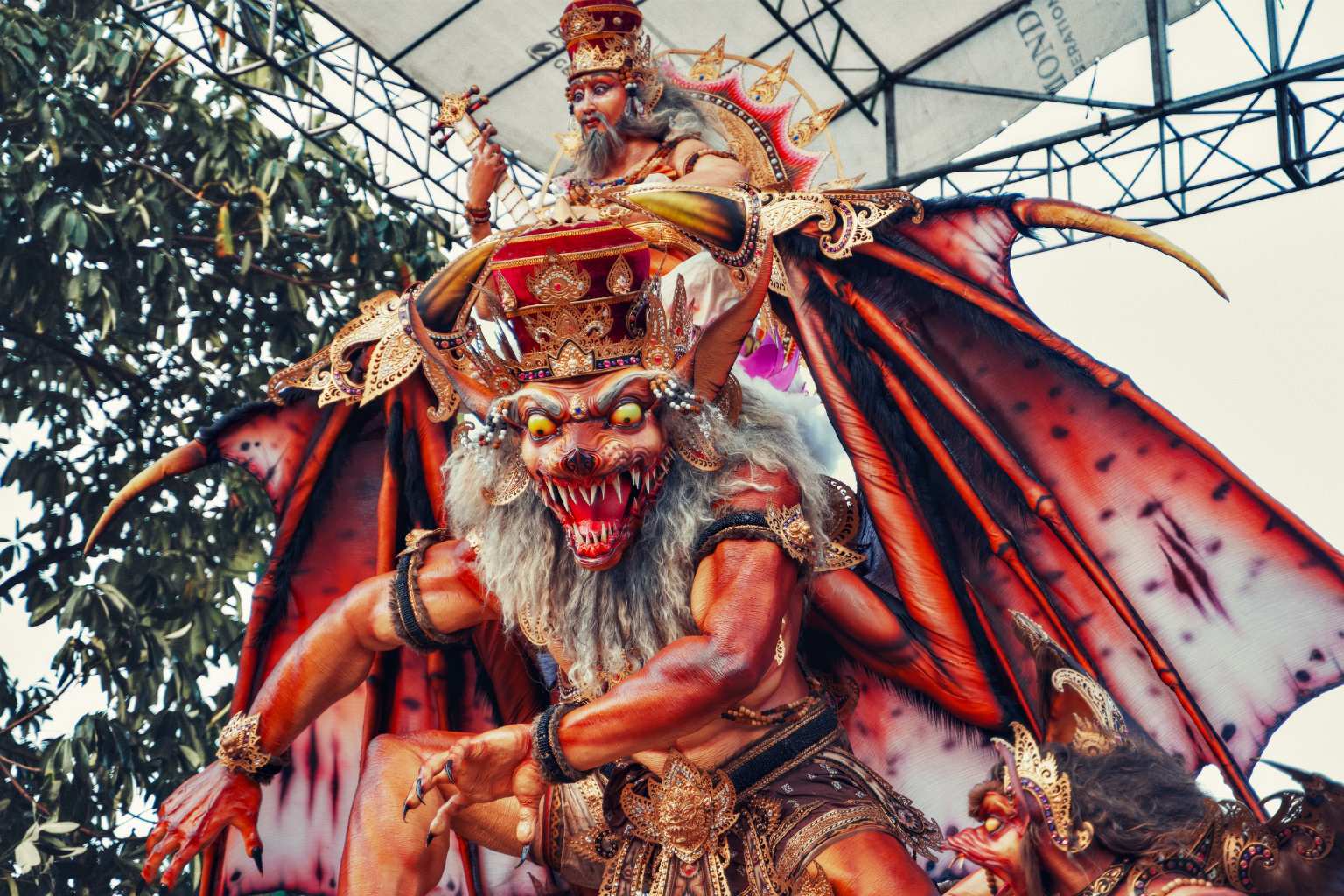
On the eve of the holiday, villages across the island hold the dramatic Ogoh-Ogoh Parade. Giant demon-like effigies, crafted from bamboo and paper, are carried through the streets by groups of villagers. Drums beat, crowds gather, and the night fills with energy.
The figures represent negative forces and imbalances in the world. By parading and symbolically destroying them, communities believe they are cleansing the island before entering the new year.
The contrast is striking: noise, color, and movement one evening, followed by total silence the next day.
When an Island Falls Silent
As midnight passes, the transformation begins.
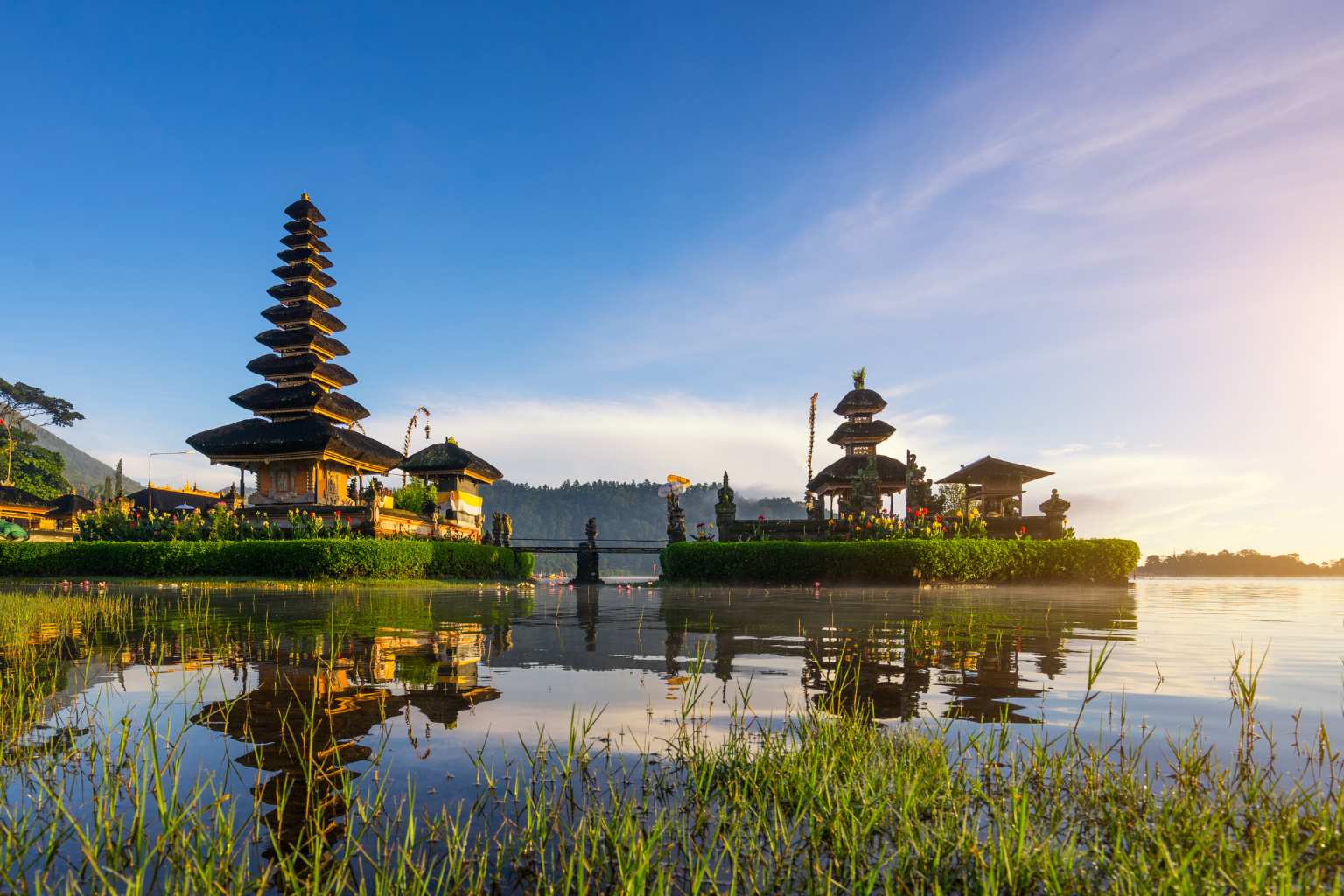
By sunrise, Bali feels almost otherworldly. Beaches lie empty. Markets are closed. Motorbikes and cars disappear from the roads. Even the usually busy airport halts operations, leaving the skies unusually quiet.
Without traffic or city lights, nature quietly returns to the foreground. Birds become easier to hear. The ocean feels closer. At night, the Milky Way stretches across the sky with remarkable clarity.
For many visitors, it is one of the rare moments in modern travel where the world truly seems to stop.
A Lesson in Collective Pause
Nyepi offers more than a cultural experience; it presents a different perspective on time itself.
In many places, silence is something people seek individually — a retreat, a meditation session, a weekend away from screens. In Bali, silence becomes a shared commitment. An entire community agrees, for just one day, to step away from noise and movement.
The result is a powerful reminder: stillness is not emptiness. It is space.
Space to reflect, to breathe, to notice the small details often lost in everyday life.
As the sun rises the following morning, Bali slowly returns to motion. Motorbikes start again, shops reopen, and conversations fill the streets. Yet the quiet of Nyepi lingers, leaving behind a gentle sense of renewal.
In a world that rarely pauses, Bali offers a simple but profound idea: sometimes the most meaningful way to begin a new year is by first becoming completely still. ✨
