Dear Guests and Friends of Secret Retreats
Light in Thailand is rarely constant. It shifts with terrain, with season, and with use—filtered through mist in the north, direct across the plains, reflected along waterways, and extended across open sea.
It defines how places are first seen, and how they are remembered—not as a single quality, but as a series of conditions.
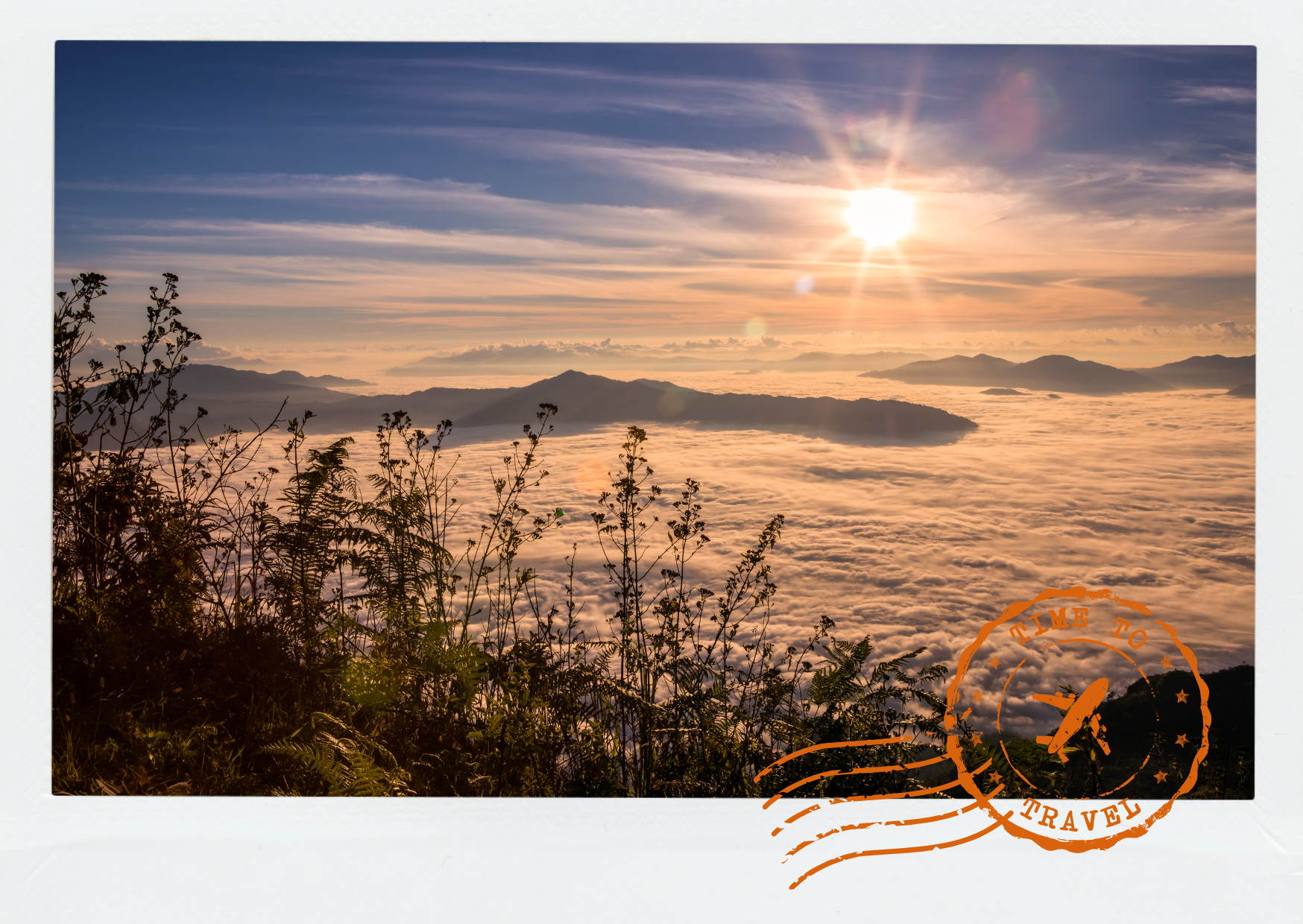
The North — Light That Reveals
In the north, light arrives gradually. It moves through mist and across mountain contours before settling.
Between Chiang Mai and Chiang Rai, dawn is a process rather than a moment. Fields and ridgelines are first suggested, then defined; distance shortens as the air clears.
In these early hours, places such as Sela, Bamboo Nest @ Sanggadee, and Little Shelter hold the first light differently—filtered through trees, across wood and water, or within quiet interior spaces.
Further north, at Ahsa Farmstay, light settles across open land, where mornings remain low in contrast and unhurried in pace.
By night, the direction reverses. During Yi Peng Festival, light lifts into the sky—brief, suspended, and then gone.
Here, light reveals, then releases.
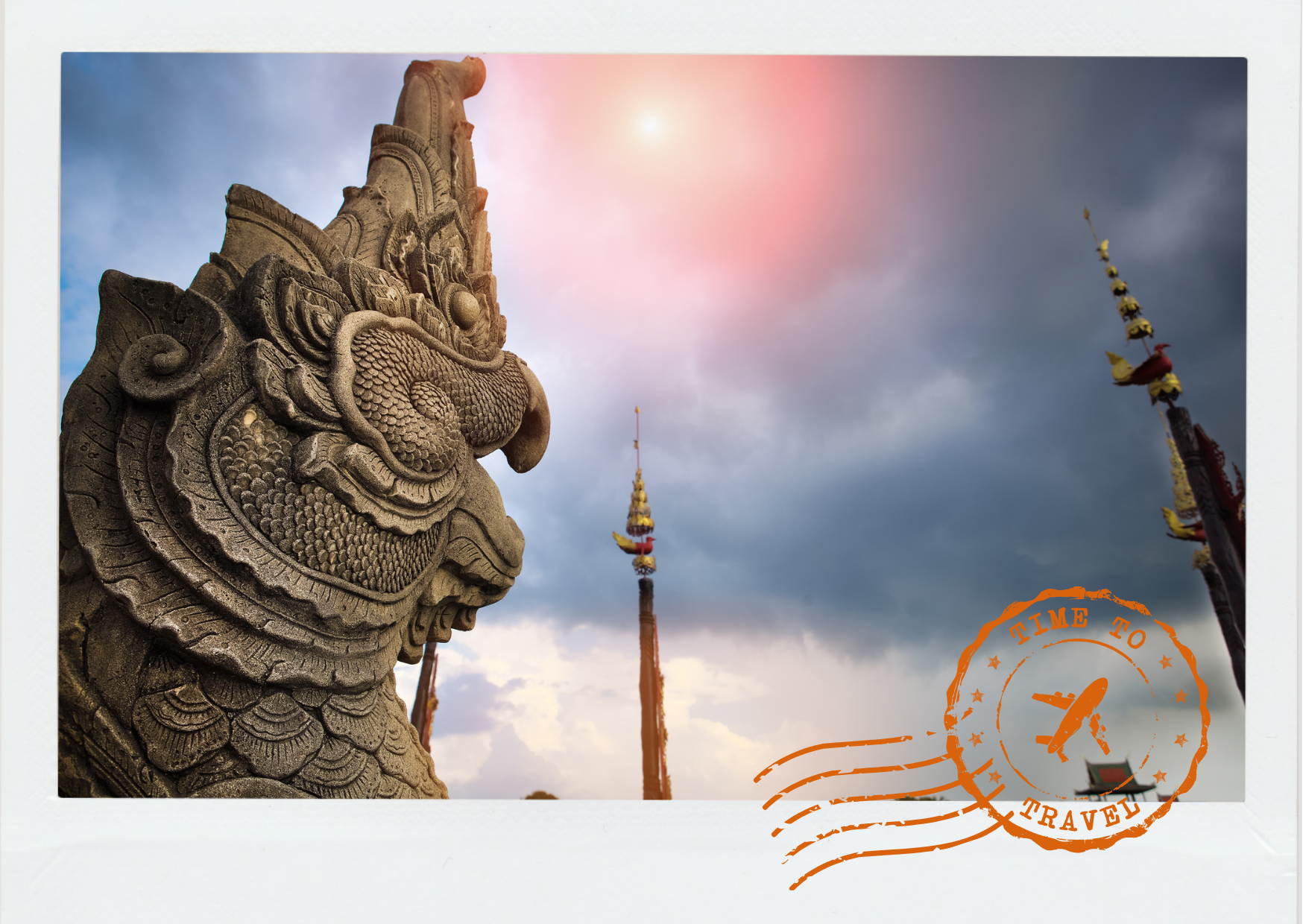
Isan — Light That Marks and Appears
In the northeast, light is more immediate. It defines the rhythm of the day.
In Nongkhai, mornings begin with alms rounds—monks moving through first light, the exchange quiet and continuous. The pattern repeats daily, measured by the sun.
Along the Mekong, another kind of light appears. During the phenomenon known as the Naga Fireballs, small glowing orbs rise briefly from the river’s surface before disappearing.
Further inland, at Pimali Foundation Hospitality Training Resort, this rhythm remains within reach—where light is observed rather than pursued.
Here, light does not only illuminate. At times, it emerges.
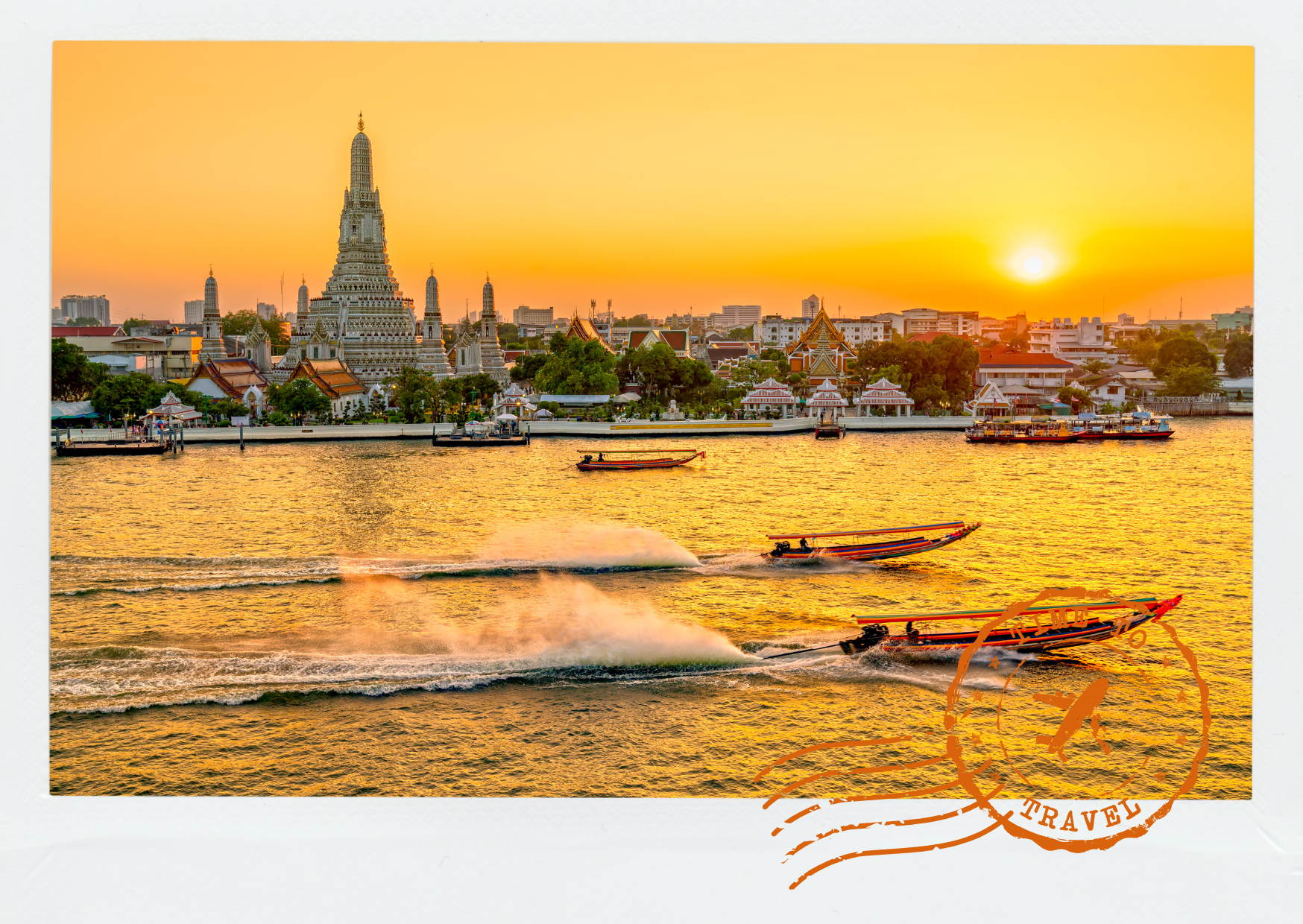
The Central Plains — Light That Reflects
In the central plains, light meets water and returns altered.
Along the river in Bangkok, dawn begins in outline. At Chakrabongse Villas, the river carries first light toward the structures opposite, where Wat Arun (the Temple of Dawn) gradually takes on form.
Further inland, at Ariyasom Villa, light is quieter—filtered through gardens, held within interior space.
By evening, the tone shifts. In Yaowarat (China town), light is concentrated and contained—neon and incandescent, following movement through narrow streets.
Here, light is defined by how it is reflected and where it is held.
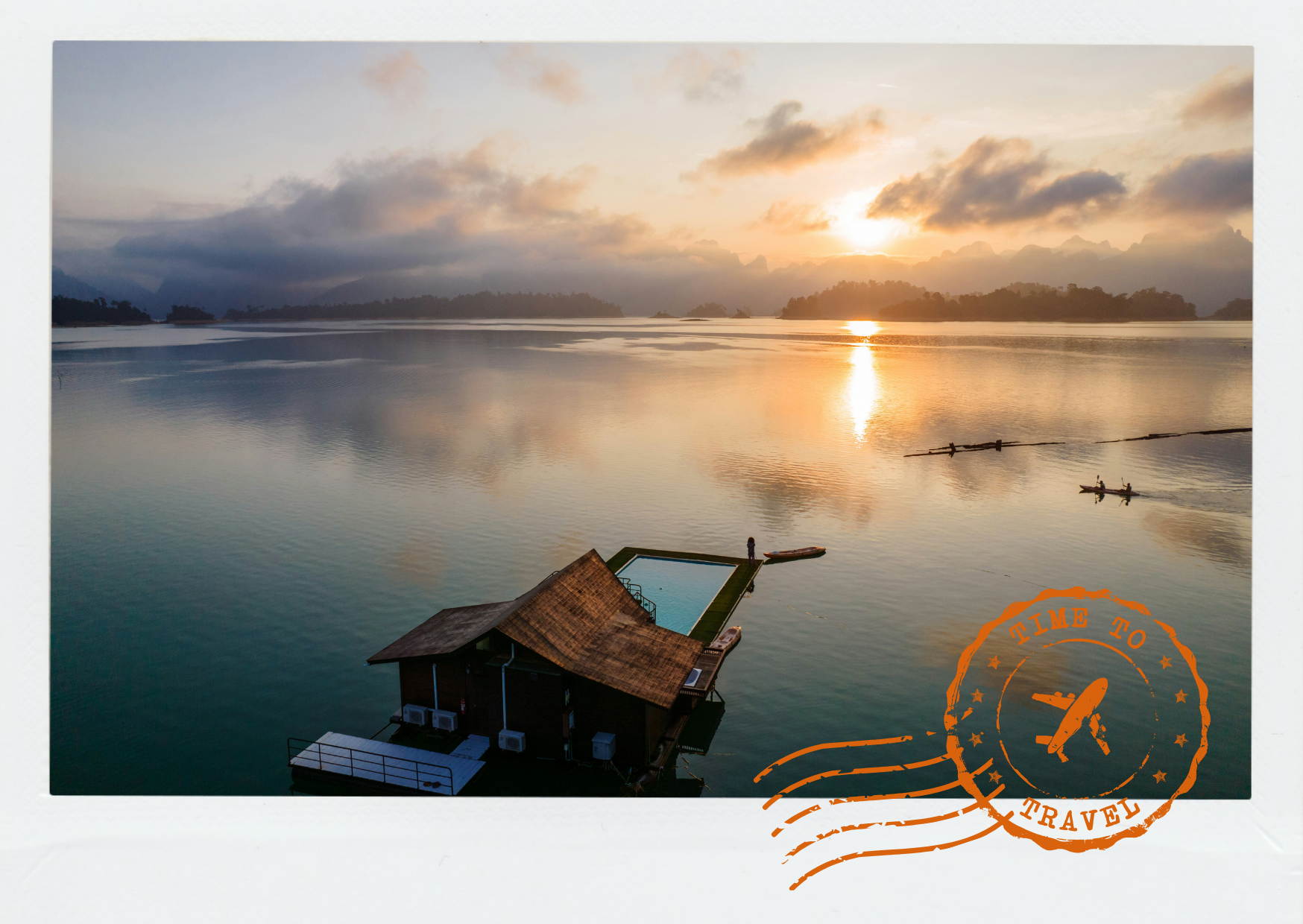
The South — Light That Extends
In the south, light is uninterrupted. It travels across open water and along extended horizons.
At 500 Rai Floating Resort, daylight moves slowly across the lake, shifting from clarity to depth. By night, with minimal ambient light, the sky becomes legible—filled with stars.
Further along the Andaman coast, at Baba Ecolodge, the horizon opens wider. On clear nights, the sky holds a quiet density of stars, uninterrupted. Firelight—small and contained—sits against this scale without altering it.
Here, light is defined by distance. It extends beyond the immediate.
A Country in Light
Across Thailand, light is not uniform. It is filtered, direct, reflective, or expansive, depending on where it is held.
It marks transitions—morning to day, ritual to movement, presence to absence.
What remains is not the light itself, but its variation—and the way each place receives it differently.
Thailand is not defined by light, but by the way it changes.