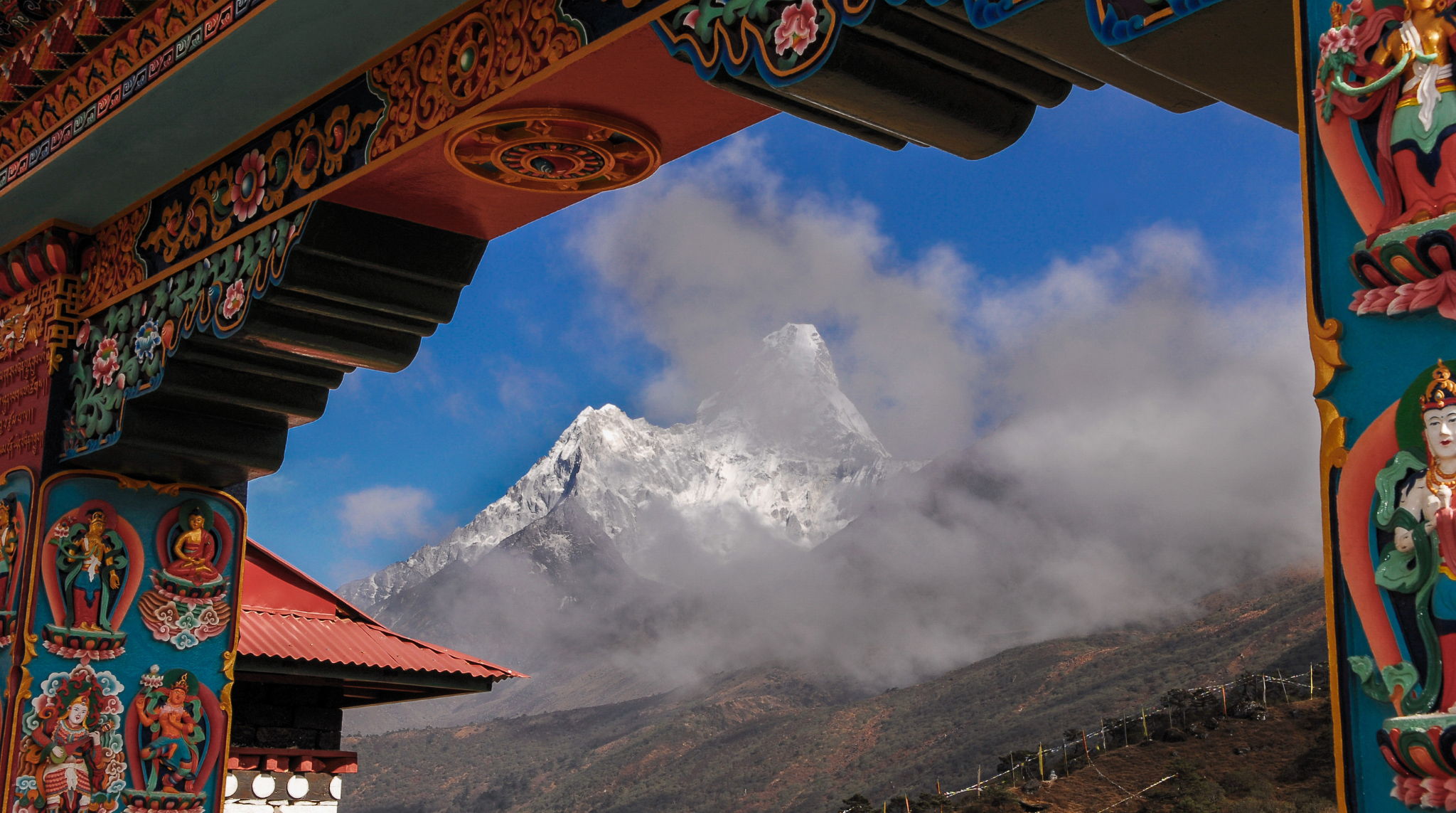
Nepal, Still Welcoming
In the wake of the recent floods that were very much contained to the upper reaches of a single valley, Nepal remains open to travellers and welcomes those who wish to discover its extraordinary landscapes, living cultures and communities. The best way to support the people of Nepal today is to take your next holiday there.
There are few places in the world where landscape and life are so closely intertwined as Nepal.
From the ancient courtyards of the Kathmandu Valley to the forests and foothills surrounding Pokhara, the country’s extraordinary geography shapes not only its beauty, but the way its communities live.
Recently, that same geography brought devastating consequences to the people that lived within reach of the floodwater.
A catastrophic glacial collapse sent a powerful flood along the Bhotekosi and part of the Trishuli River that crashed through the villages and towns that lined the river valley, causing a great loss of life and almost total devastation of everything in its path. Nepal is mourning, while an enormous and well-organized national rescue and relief effort continues.
But there is another story that needs to be told alongside the tragedy.
Nepal remains open
The disaster was concentrated within a particular river valley, while the rest of the country, including many of its principal tourism destinations, continues to operate normally. Hotels are welcoming guests, guides are ready to lead journeys, restaurants and local businesses remain open, and communities are going about the work of rebuilding their lives.
And they are asking travellers not to turn away.
Come to Nepal, Where It Is Safe to Travel
For a country where tourism supports an enormous network of families, businesses and local livelihoods, the decision to travel has a meaning beyond the journey itself.
A stay in a locally rooted hotel supports its staff and suppliers. A local guide earns a living. A meal supports farmers and producers. A visit to an artisan keeps traditional skills valued. A journey through the country contributes to an economy that will play an important role in Nepal’s long-term recovery.
This is not about travelling into affected areas or overlooking what has happened.
It is about understanding that Nepal is a community that is much larger than the places affected by the disaster and that continuing to visit the country responsibly will be a valuable and meaningful form of support.
At Secret Retreats, this is precisely why the places we choose to feature matter.
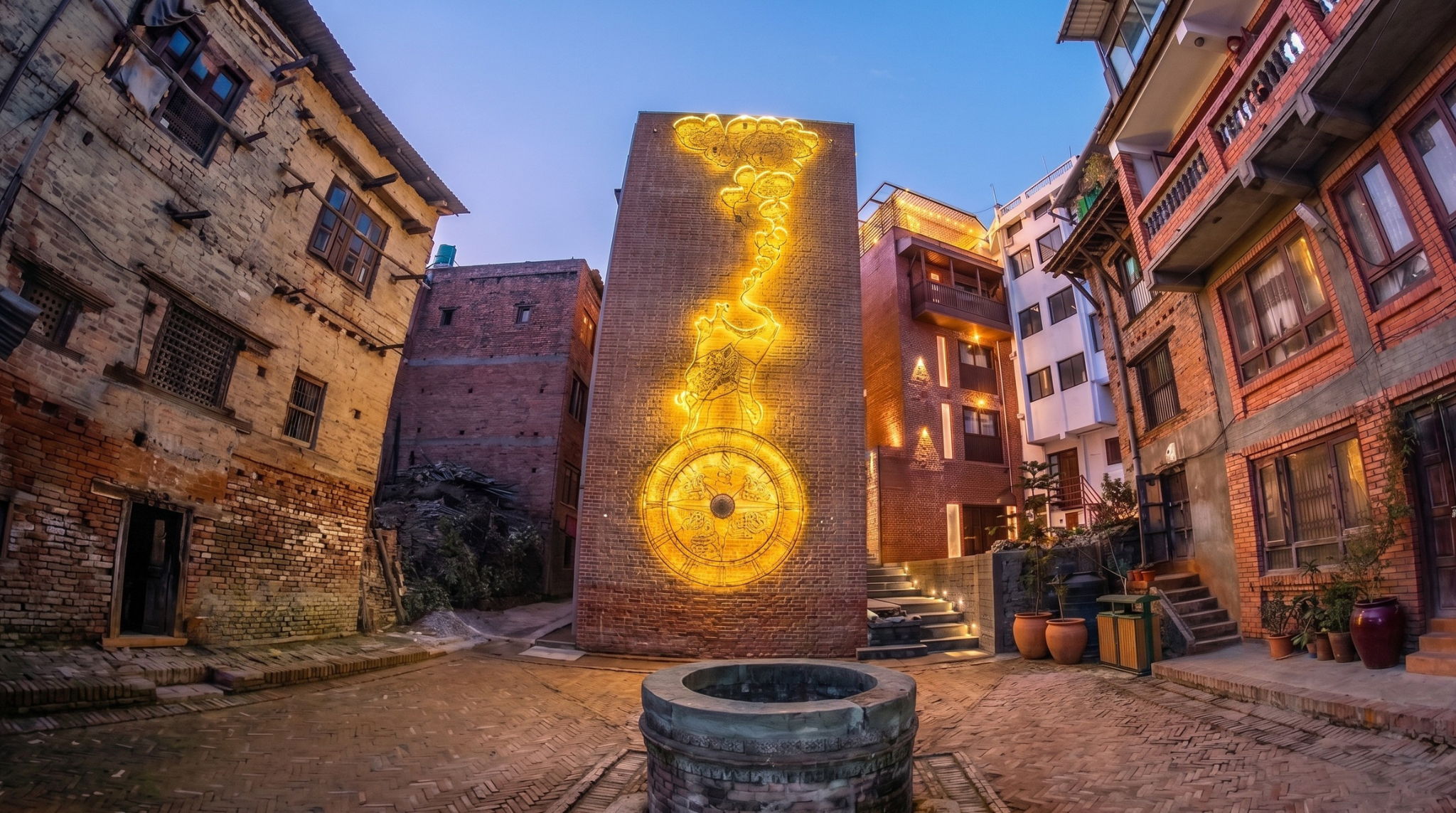
Bhaktapur: An Ancient City Where Life Goes On
In the Kathmandu Valley, life continues in the ancient city of Bhaktapur.
At The Nanee, the tragedy was felt deeply. Yet even during a period of national mourning, the city continued to observe its traditions.
During Saparu, Bhaktapur’s annual cow festival, families gathered to remember loved ones who had passed away. The festival became, in its own way, a moment of collective remembrance, a reminder that Nepal’s cultural traditions are not something preserved behind museum glass, but living parts of community life.
Staying at The Nanee places travellers directly within this living heritage.
This intimate heritage hotel occupies a restored Newari property in the heart of Bhaktapur, a location surrounded by temples, courtyards, artisans and the rhythms of everyday life.
Here, travel is naturally and sincerely connected to place.
You can walk through the old city early in the morning, watch local life unfold around the squares, discover Newari architecture and cuisine, and spend time understanding a culture that has endured for centuries.
By coming to Bhaktapur, travellers are not simply observing Nepal’s heritage. They are helping keep its living economy alive.
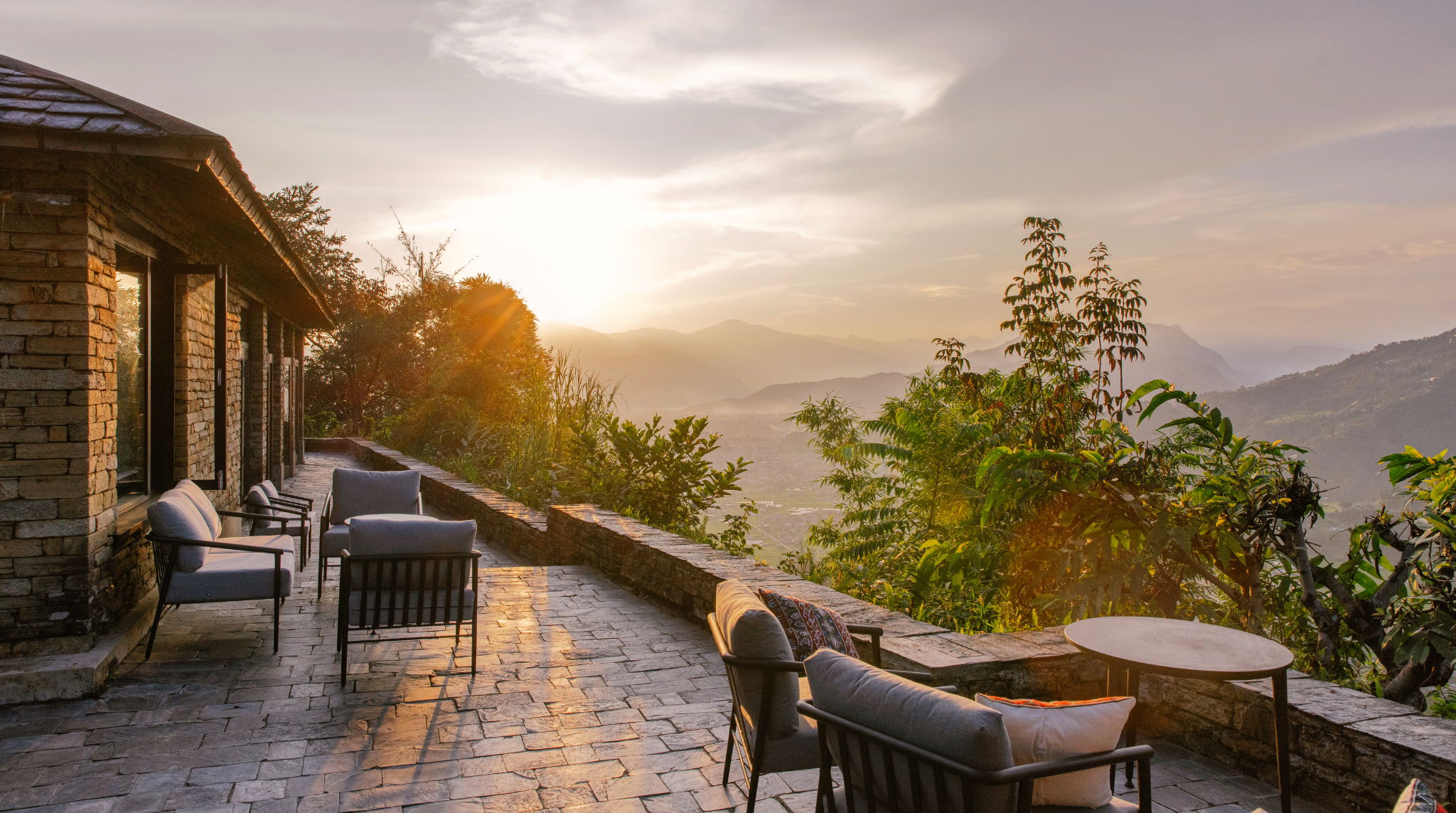
Into the Himalayas: Tiger Mountain Pokhara Lodge
Further west, the landscape opens towards Pokhara and the majestic Himalayas.
At Tiger Mountain Pokhara Lodge, the Himalayas rise beyond the valley creating an unbeatable and truly breathtaking backdrop to your stay, while forests, villages and terraced hills surround the property.
The experience here is deliberately connected to the landscape and the people who call it home.
Take a walk through the surrounding countryside with a local guide. Discover the extraordinary birdlife. Meet villagers. Learn about the ecosystems of the hills. Or simply sit quietly as the mountains reveal themselves across the valley.
Tiger Mountain’s long-standing commitment to its surrounding communities means that tourism here has always been about more than bringing guests into a beautiful landscape. It is about creating opportunities for local people and supporting conservation and community initiatives.
It is a model of travel that feels particularly relevant now.
The Journey Continues
For travellers ready to experience Nepal more deeply, Vignettes of Nepal brings together three very different landscapes and cultures in one considered journey.
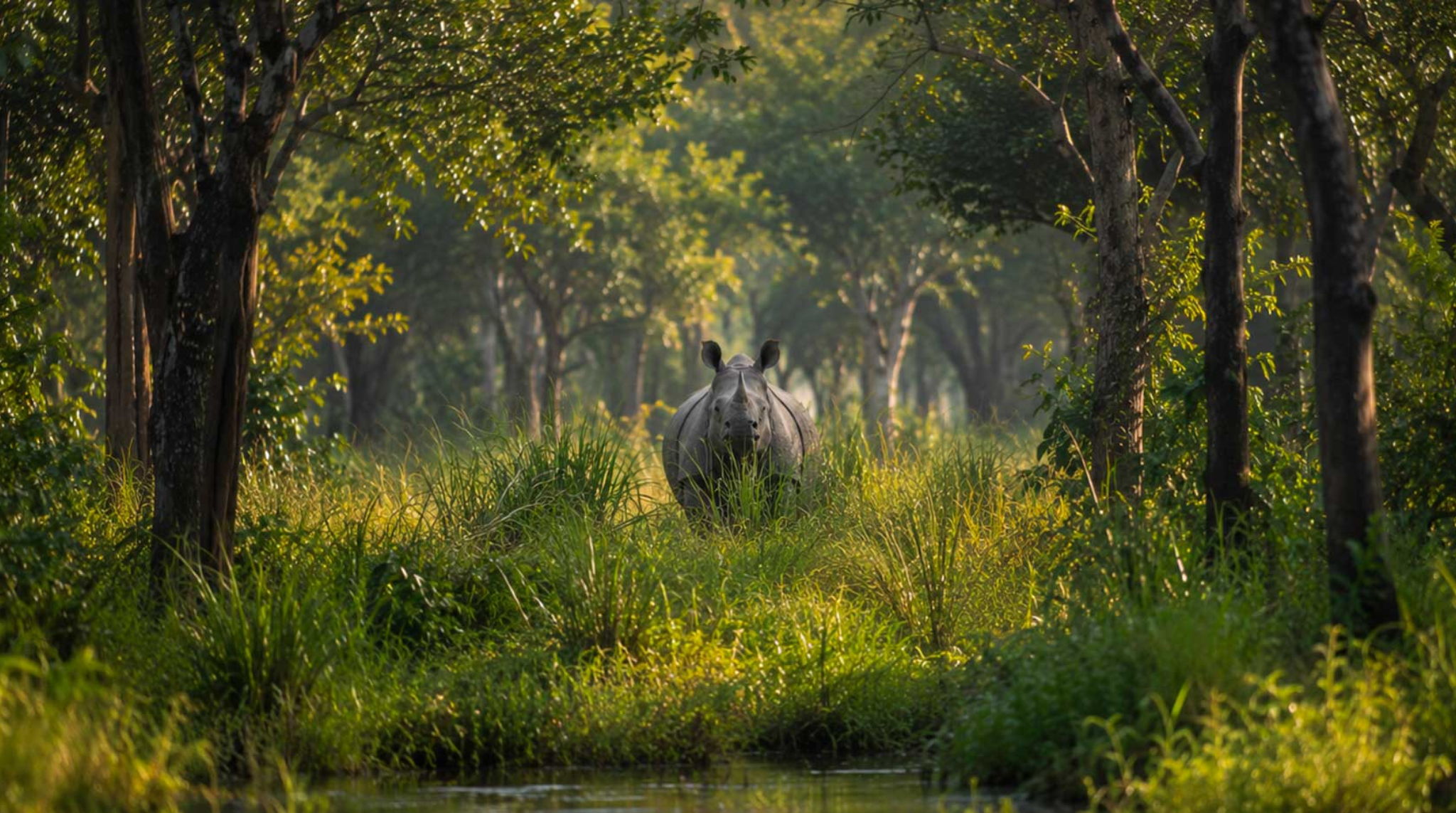
Beginning in the Kathmandu Valley, the journey moves from the living heritage of Bhaktapur to the mountain landscapes around Pokhara before continuing towards the forests and wildlife of Chitwan.
It is the perfect itinerary to introduce you to the beauty and stories of Nepal with visits to ancient cities, Himalayan panoramas, rural communities and the chance to see the country’s extraordinary wildlife.
But perhaps more importantly, it is a journey that allows travellers to spread their stay, and therefore their contribution, across different communities and regions.
A Country That Welcomes You
There is a tendency, after a natural disaster, to draw a simple line around an entire country and assume that everywhere is affected.
Nepal’s geography tells a different story.
The very mountains and valleys that make Nepal extraordinary also mean that the impact of a disaster is geographically concentrated. While some communities are facing an immense challenge of both recovery and rebuilding, other parts of the country continue to welcome visitors safely in areas physically unaffected by the recent natural disaster.
And Nepal wants those visitors to come.
Not because the tragedy should be forgotten.
But because life must go on alongside the difficulties and grief caused by the disaster.
In Bhaktapur, the annual Saparu festival was held to honour the dead, and remember those who had been lost in the recent disaster. In Pokhara, lodges continue to prepare rooms, guides continue to walk the hills and local businesses continue to serve their communities.
There is resilience in this.
And there is an invitation.
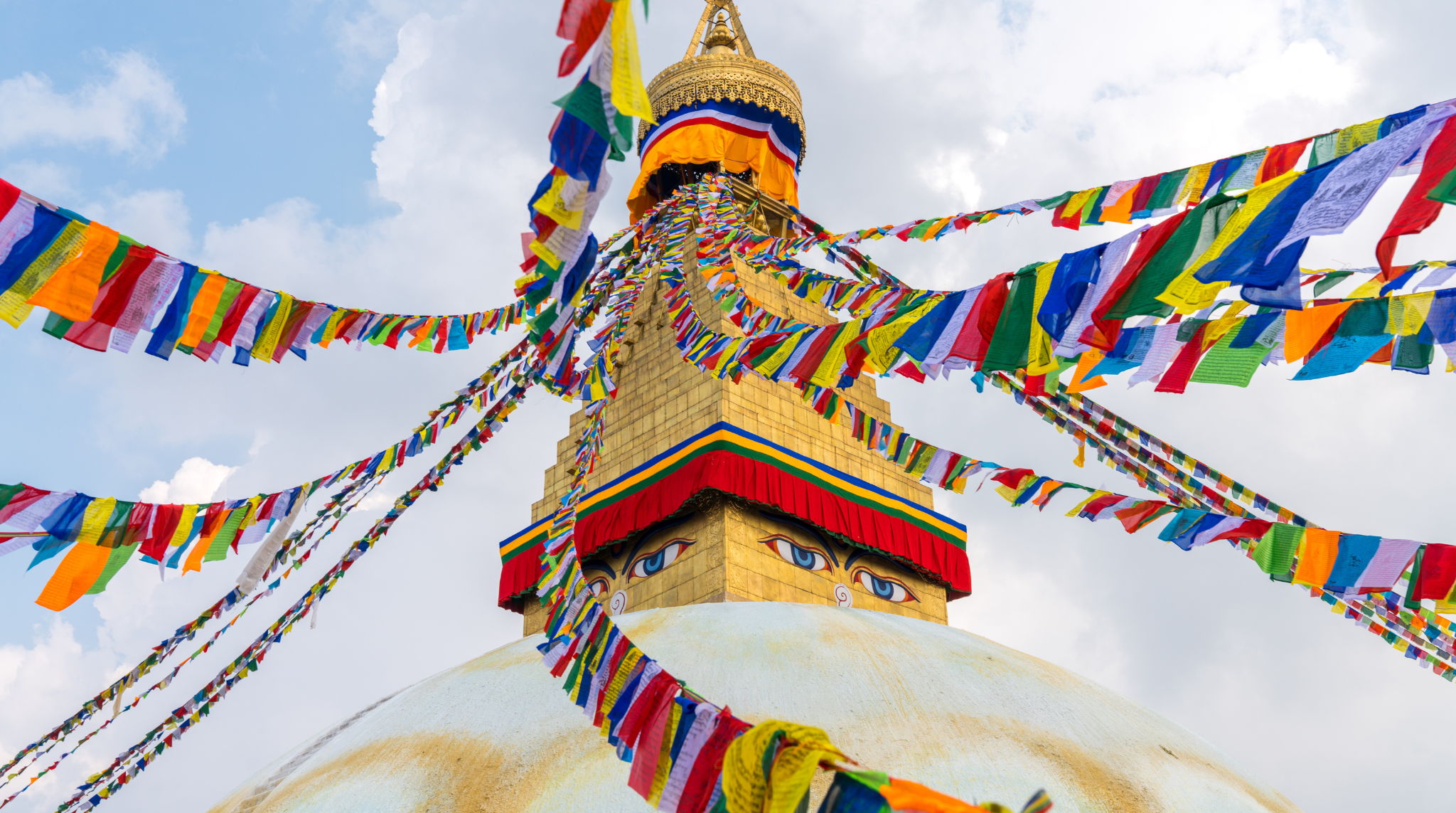
Visit where it is safe. Travel thoughtfully. Spend locally. Meet the people. Take the time to understand the country beyond the headlines.
Nepal’s mountains are still there.
Its ancient cities are still alive.
Its forests are still wild.
Its people are still welcoming.
Nepal is calling.
And for those who choose to answer, the journey can mean more than discovering an extraordinary country. It can be a small but tangible contribution to the people and communities who are helping Nepal move forward.