Dear guests and friends of Secret Retreats,
Some celebrations are found in the streets, others along rivers, in village kitchens, or behind the doors of homes opened to neighbours and friends. Across Asia, coming together takes many forms—through music and dance, shared food, colourful processions, and rituals passed quietly from one generation to the next.
In the second volume of our Postcard from Asia series, we continue our journey beyond the usual itinerary, discovering celebrations deeply rooted in the places where they take place. From the Cham communities of Vietnam to the floating processions of Myanmar, from the dancing streets of Tokushima to Nepal’s harvest traditions and the beautifully decorated homes of the Philippines, each celebration offers a different way to experience a destination through the people who call it home.
Because sometimes, to understand a place, it is enough to join the celebration.
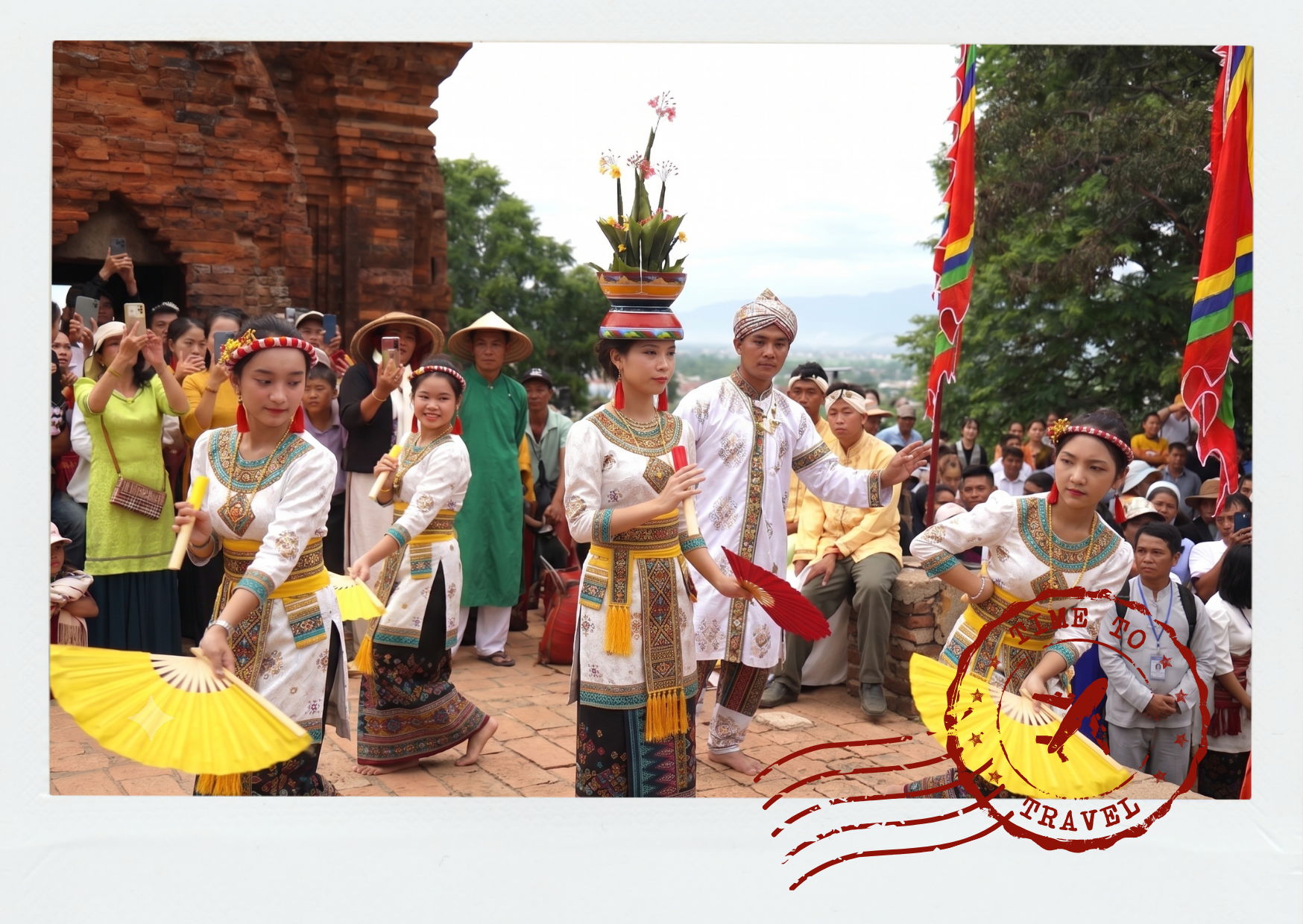
Vietnam – Kate Festival
📅Usually September–October | Ninh Thuan
Celebrated by the Cham community of central Vietnam, the Kate Festival is a colourful gathering of music, dance, processions, and prayer. At ancient Cham temples, communities come together to honour ancestors, kings, and spiritual guardians, while traditional costumes and rhythmic performances bring centuries-old heritage vividly to life. Rooted in the agricultural calendar and the spiritual life of the Cham people, Kate offers a glimpse into one of Vietnam’s distinctive cultural traditions, far beyond its better-known cities and coastlines.
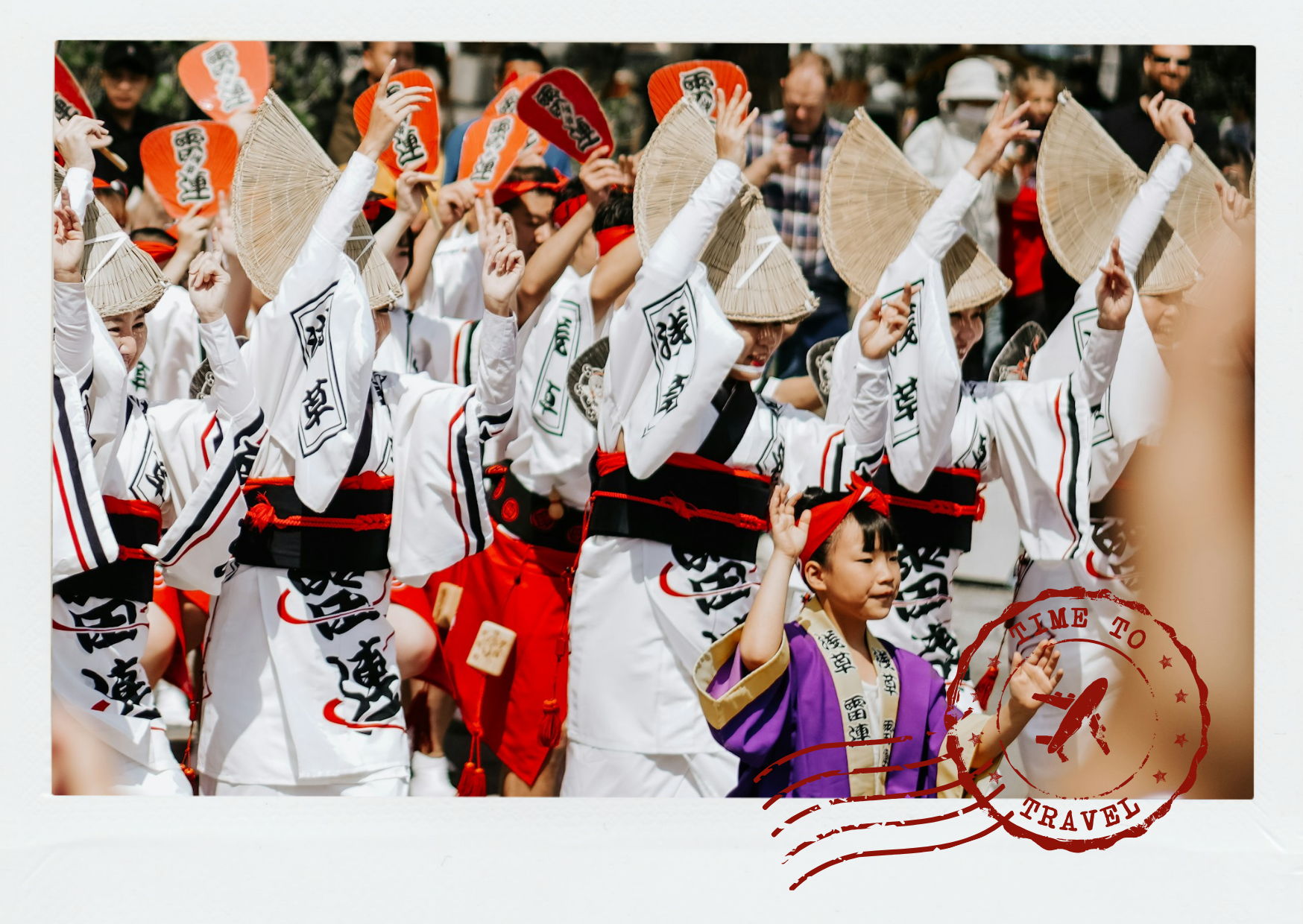
Japan – Awa Odori
📅12–15 August | Tokushima
Every summer, the streets of Tokushima come alive with the joyful rhythms of Awa Odori, one of Japan’s great traditional dance celebrations. Thousands of dancers move through the city to the sound of shamisen, flutes, drums, and bells, their distinctive steps turning the streets into a moving celebration. Dating back more than four centuries, Awa Odori is as much about participation as performance—with visitors encouraged to join the dancing and become part of the festivities.
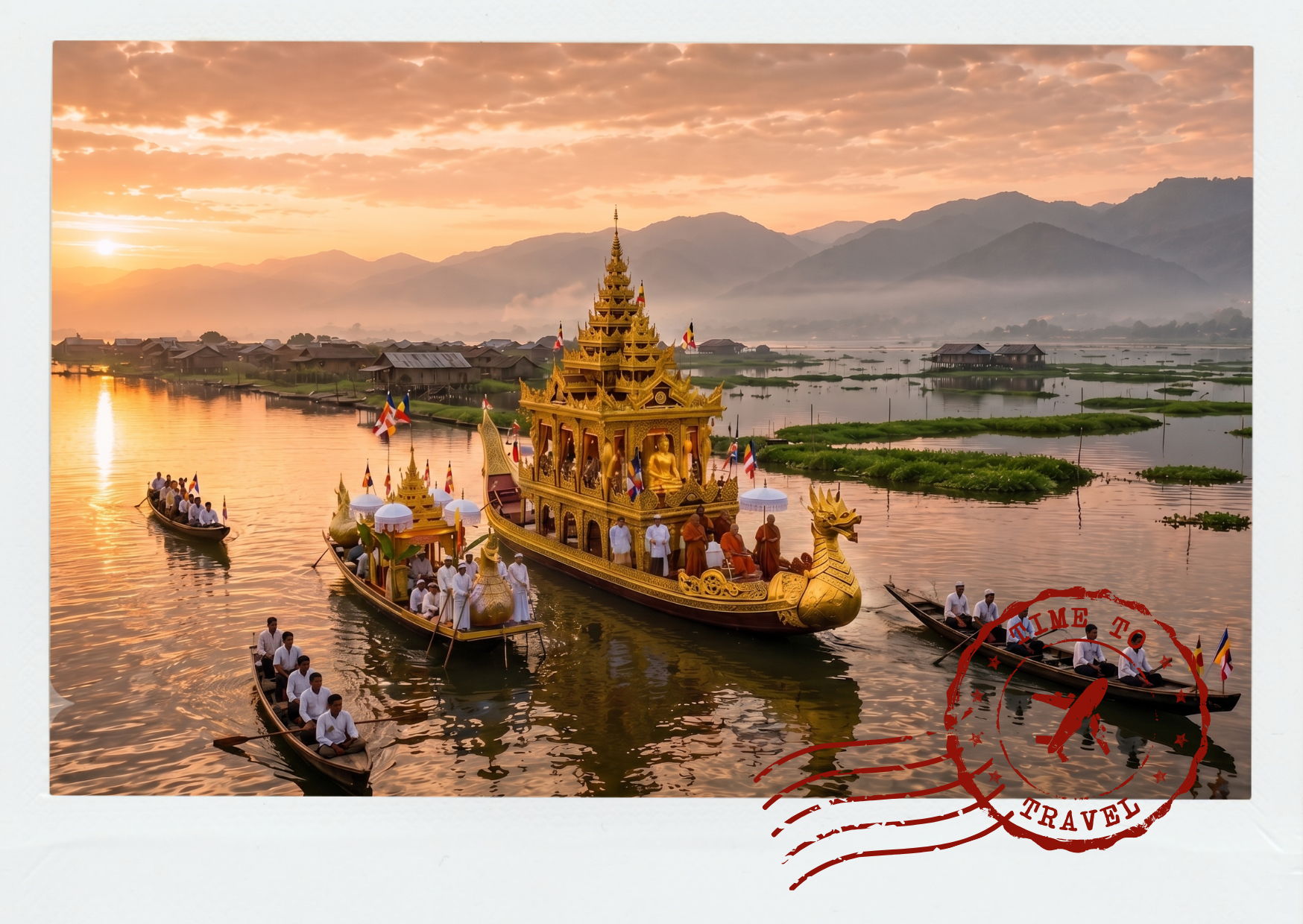
Myanmar – Phaung Daw Oo Festival
📅September–October | Inle Lake
Each autumn, Inle Lake becomes the setting for one of Myanmar’s most revered religious celebrations. Sacred Buddha images are carried aboard an ornate royal barge, accompanied by the lake’s iconic leg-rowing boatmen as they travel from village to village. Along the shoreline, communities gather to welcome the procession with music, offerings, and festivities. For the people of Inle Lake, the celebration is both a spiritual journey and a time for communities from across the lake to come together.
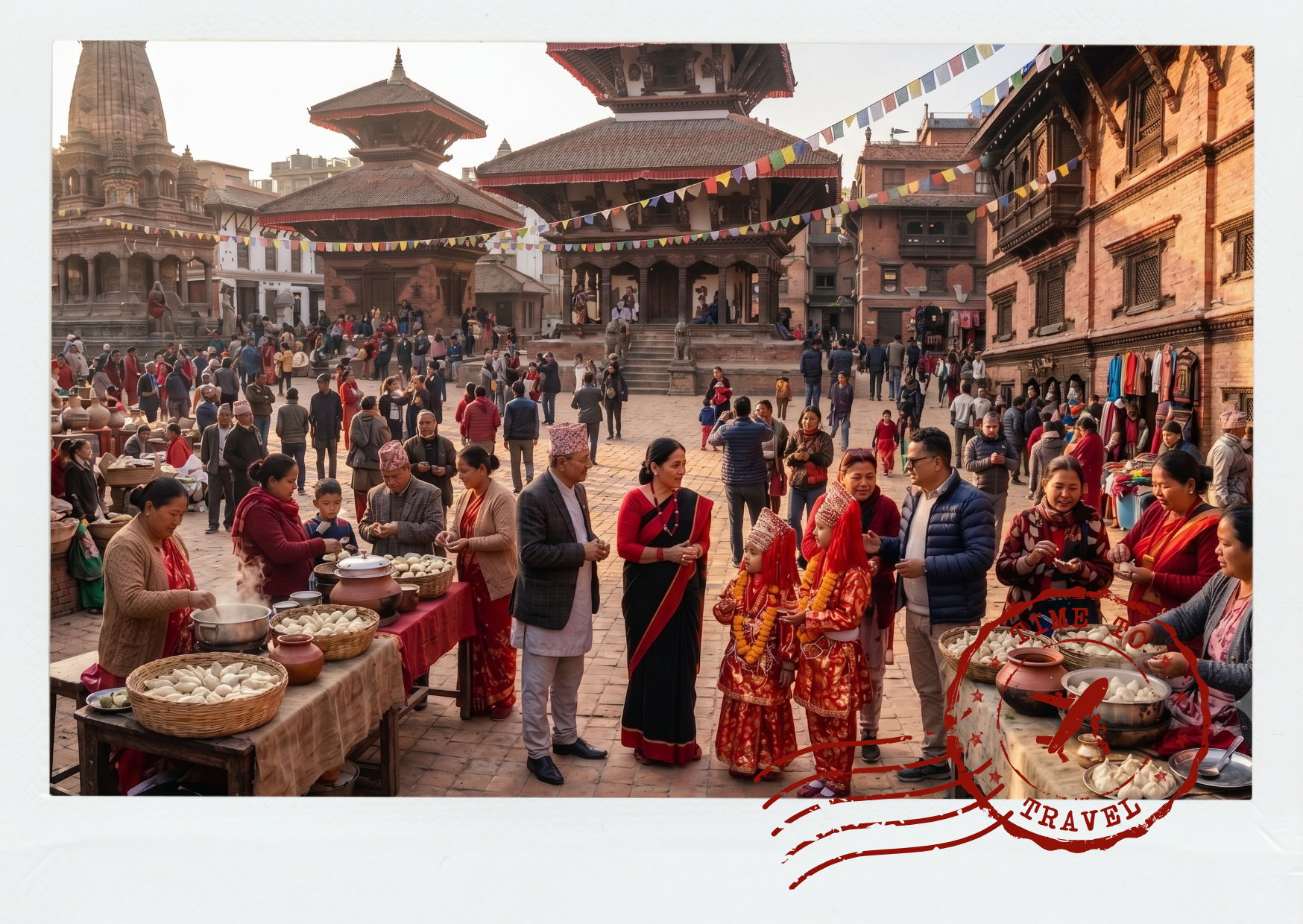
Nepal – Yomari Punhi
📅November–December | Kathmandu Valley
Among the Newar communities of the Kathmandu Valley, Yomari Punhi marks the end of the rice harvest with one of Nepal’s most cherished culinary traditions. Families gather to prepare yomari—steamed rice-flour dumplings filled with molasses and sesame—before sharing them with neighbours and loved ones. More intimate than a grand procession, the celebration centres on food, family, harvest, and generosity, offering a glimpse into the traditions that continue to shape everyday life in the Kathmandu Valley.
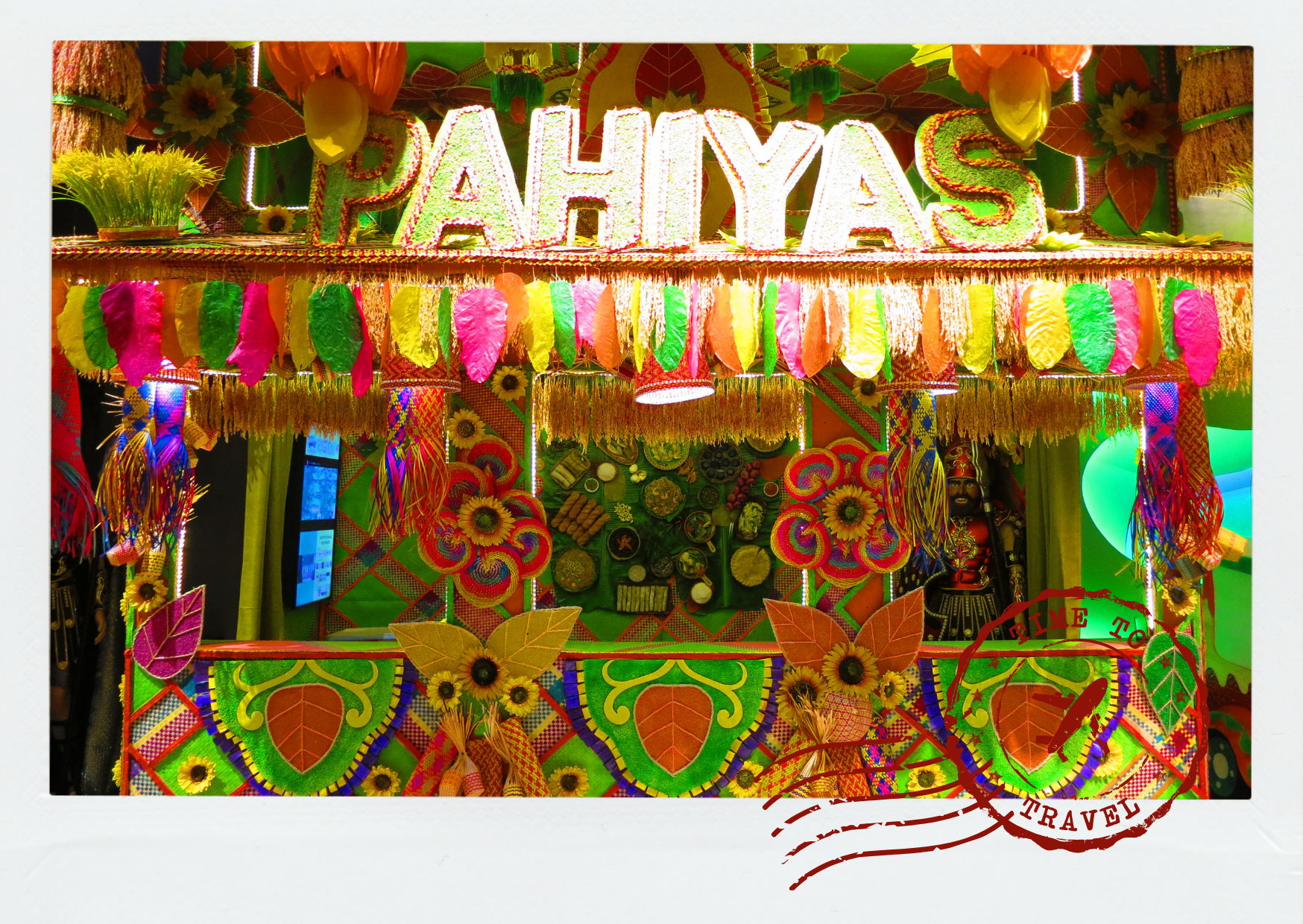
Philippines – Pahiyas Festival
📅15 May | Lucban, Quezon
Each May, the town of Lucban transforms for the Pahiyas Festival, a joyful thanksgiving for a bountiful harvest. Homes are decorated with an abundance of colourful fruits, vegetables, flowers, and kiping—brightly coloured rice wafers traditionally shaped like leaves. What begins as a gesture of gratitude becomes a remarkable display of creativity, with entire streets transformed into open-air galleries. Beyond the spectacle, Pahiyas remains a deeply local celebration of faith, harvest, generosity, and community.
Beyond the famous celebrations that attract international attention lies another Asia—one where traditions remain woven into daily life, where centuries-old customs continue to be practised, and where visitors are welcomed not simply as spectators, but as guests.
Sometimes, the most memorable journeys are not planned around landmarks, but around the moments when an entire community comes together to celebrate its heritage.